 By Miles Sinclair
Updated November 2026
Shoppers looking at a bluetti whole house generator usually want one thing: enough backup power to keep the refrigerator, furnace controls, well pump and lights running during an outage without the constant drone of a portable set in the yard. This list compares five units that people commonly consider for whole-home or near-whole-home backup. The selection criteria were continuous output, fuel type, transfer-switch compatibility, noise behavior, and the kind of owner feedback that shows up repeatedly about reliability and installation.
Our top picks at a glance
- 1
 TOP CHOICEBest overallGenerac Whole House Backup Power 14kWView on Amazon
- 2
 TOP CHOICEBest for battery-based quiet backupJackery HomePower 3600 PlusView on Amazon
- 3
 TOP CHOICEBest for larger homesGenerac Automatic Backup Power 26kWView on Amazon
- 4
 Best budget pickDuroMax XP13000EH Dual FuelView on Amazon
- 5
 Best for solar-ready expansionEF ECOFLOW DELTA ProView on Amazon
Our Top Picks
The table below summarizes how the five products line up. Read the individual sections for specs and tradeoffs before deciding.
| Product | Best for | Key feature |
|---|---|---|
| Generac Whole House Backup Power 14kW | Most homes wanting permanent automatic backup | Automatic 200 amp transfer switch with propane or natural gas |
| Jackery HomePower 3600 Plus | Quiet, indoor-friendly essential-circuit backup | Expandable to 21kWh battery storage |
| Generac Automatic Backup Power 26kW | Larger homes with high simultaneous loads | 26kW output with WiFi and cellular monitoring |
| DuroMax XP13000EH Dual Fuel | Budget-conscious buyers with a transfer switch | Gas or propane operation with electric start |
| EF ECOFLOW DELTA Pro | Solar-ready households planning to expand later | 3600Wh capacity expandable up to 25kWh |
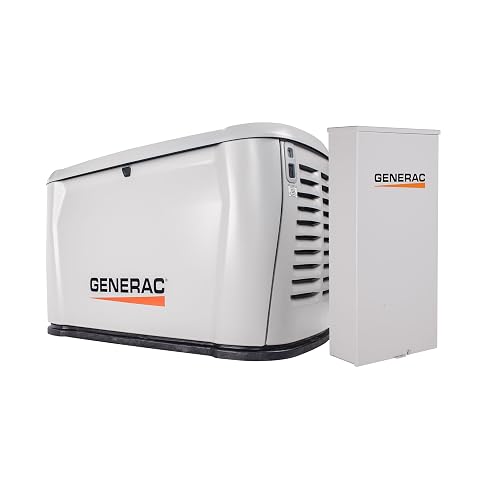
Generac Whole House Backup Power 14kW
Whole House Backup Power, Automatic 200 Amp Transfer Switch, Outdoor Gas Propane, Protects Home Outages, Storm Protection Generac 14kW Whole Home Generator, Transfer Switch & Cellular Capability We also found Whole House Off-Grid Solar System: Sizing Steps and Parts for Your Home useful on this point.
Best for: Permanent whole-home backup for homeowners with a propane or natural gas supply.
This is a standby-style unit meant to be installed outdoors on a pad, wired through an automatic transfer switch. It suits households that want backup to start without anyone touching a cord or a pull cord, and that already have fuel service available.
Key specs
- 14kW rated output (from the listing name)
- 200 amp automatic transfer switch included
- Outdoor installation with propane or natural gas fuel
Pros
- Starts automatically when utility power drops
- Covers far more of a home than any portable generator
- Designed for continuous outdoor standby duty
Cons
- Requires professional installation, a fuel line and a permit in most areas
- Audible when running, so placement matters for neighbors and bedrooms
Bottom line: The strongest pick for homeowners who want set-and-forget whole-home coverage and have fuel service at the house.
Jackery HomePower 3600 Plus
Jackery HomePower 3600 Plus Power Station, 3584Wh, 3600W AC Output | LFP Battery, Expandable to 21kWh, Solar Generator, Essential Home Backup for Home Use, Emergencies, RV (Solar Panel Optional)
Best for: Quiet battery backup for essential circuits and short outages.
This is a battery power station rather than a combustion generator, so it produces no exhaust and very little noise. It fits apartments, condos and homes where a gas unit is not allowed, though it is better suited to essential loads than to running an entire house.
Key specs
- 3600W AC output (from the listing name)
- 3584Wh battery capacity (from the listing name)
- Expandable to 21kWh with additional battery modules
Pros
- Silent operation with no fumes, suitable for indoor use
- Expandable capacity for longer outages
- Can be recharged from solar panels
Cons
- Runtime is limited by battery size, so full-house use over days is unrealistic
- Whole-home wiring still requires a transfer switch and a licensed electrician
Bottom line: Best for households that mainly need refrigeration, lighting, internet and medical devices during outages and want no combustion at all.
Generac Automatic Backup Power 26kW
Automatic Backup Power, Whole House Coverage, WiFi & Cellular Monitoring, Weather-Activated, Natural Gas or Propane Ready Generac 26kW Whole Home Generator, Cellular Capability
Best for: Larger homes with heavy simultaneous loads such as central air and electric water heating.
The 26kW class is aimed at houses where the 14kW range would force load management. It is a fixed standby unit with remote monitoring, and it works with natural gas or propane.
Key specs
- 26kW rated output (from the listing name)
- Natural gas or propane ready
- WiFi and cellular monitoring
Pros
- Higher capacity for large homes and multiple large appliances
- Remote monitoring shows status and alerts
- Weather-activated operation
Cons
- Larger footprint and heavier pad requirements
- Installation and sizing need a professional load calculation
Bottom line: Pick this if a load calculation shows your home needs more than about 14kW, or if you run electric HVAC and appliances at the same time.
DuroMax XP13000EH Dual Fuel
DuroMax XP13000EH 13,000-Watt Dual Fuel Portable Generator – Gas & Propane, Electric Start, Whole Home Backup Power, Transfer Switch Ready, RV & Emergency Ready
Best for: Budget-conscious buyers who want a portable unit that can feed a transfer switch.
This is a portable dual-fuel generator, not a permanent standby system. It can power selected circuits through a manual or automatic transfer switch, and it gives owners the option of gasoline or propane.
Key specs
- 13,000-watt rating (from the listing name)
- Gas and propane dual fuel
- Electric start and transfer switch ready
Pros
- Fuel flexibility when one supply is unavailable
- Electric start is easier than a pull cord
- Usable for RV and job-site work as well
Cons
- Must be run outdoors and away from openings, with carbon monoxide risk if misused
- Manual setup and refueling mean it is not automatic backup
Bottom line: A practical choice for shoppers who accept manual operation in exchange for lower upfront commitment and fuel flexibility.
EF ECOFLOW DELTA Pro
EF ECOFLOW Portable Power Station 3600Wh DELTA Pro, 120V 3600W AC Output | 2.7H Fast Charge Power Station, Expandable up to 25kWh, Solar Generator for Home Use, Power Outage, Camping, RV, Emergencies
Best for: Solar-ready households that want a battery system they can expand over time.
This portable power station stores energy and can be charged from solar or the grid. It suits people who want quiet, indoor-safe backup and a path toward larger storage.
Key specs
- 3600Wh capacity (from the listing name)
- 120V 3600W AC output (from the listing name)
- Expandable up to 25kWh (from the listing name)
Pros
- Silent and emission-free operation
- Solar charging support for longer outages
- Expansion path for higher capacity
Cons
- Not a true whole-house generator without a licensed transfer setup
- Runtime on large loads is limited compared with fuel-based systems
Bottom line: Best for buyers who value quiet, solar-compatible storage and are willing to size the battery around essential loads.
Buying Guide
Fuel type and availability
Natural gas, propane, gasoline and battery systems each have different fuel logistics. Natural gas offers continuous supply where the utility line is reliable. Propane works on a tank you must keep filled. Gasoline needs storage and rotation. Batteries need recharging. Check which fuel you can actually supply for several days before choosing.
Good picks for this: Generac Whole House Backup Power 14kW, DuroMax XP13000EH Dual Fuel
Output capacity and load sizing
Continuous and surge ratings matter more than the headline number. Add up the running watts of the circuits you want to power, then account for motor starting surges from well pumps, compressors and HVAC. A licensed installer or a proper load calculation is the reliable way to confirm the size you need.
Good picks for this: Generac Automatic Backup Power 26kW, Generac Whole House Backup Power 14kW
Transfer switch compatibility
Whole-home backup requires a transfer switch that isolates the house from the utility grid. Automatic switches start the unit and transfer loads without intervention. Manual switches require you to be present. Never backfeed a house through a standard outlet. Plan for a switch from the start rather than retrofitting one later.
Good picks for this: Generac Whole House Backup Power 14kW, DuroMax XP13000EH Dual Fuel
Noise level and placement
Manufacturers publish decibel ratings at a stated distance and load, and those numbers vary widely. Compare ratings at the same measuring distance and load percentage. Placement, enclosure design and a proper pad can change perceived noise noticeably. Battery units are nearly silent by comparison.
Good picks for this: Jackery HomePower 3600 Plus, EF ECOFLOW DELTA Pro
Runtime and expandability
Battery systems list watt-hours, which tells you how long a given load can run. Fuel-based units run as long as fuel is supplied. Expandable battery systems let you add capacity as needs grow. Calculate runtime for your real essential loads rather than the maximum output.
Good picks for this: Jackery HomePower 3600 Plus, EF ECOFLOW DELTA Pro
Durability and outdoor rating
Standby units are built for weather exposure, but they still need clearance, a level pad and protection from debris. Portable units must be kept dry and away from enclosed spaces. Look for clear weather ratings and warranty terms in the manufacturer documentation.
Good picks for this: Generac Automatic Backup Power 26kW, Generac Whole House Backup Power 14kW
Monitoring and maintenance
Remote monitoring alerts you to fuel levels, status and faults. Routine maintenance such as oil changes, filter replacement and exercise cycles keeps standby units ready. Battery systems need periodic firmware updates and battery health checks. Factor maintenance time into your decision.
Good picks for this: Generac Automatic Backup Power 26kW, EF ECOFLOW DELTA Pro
FAQ
Can I run a whole house on a portable generator?
Usually not all of it. Most homes need a load-managed approach with a transfer switch powering selected circuits. Running the whole house from a portable unit typically requires a much larger output than most portable models provide.
Do I need a permit to install a whole house generator?
In most areas, yes. Permanent fuel connections and transfer switch wiring generally require permits and inspection. Requirements vary by city and county, so check with your local building department.
Are battery power stations safe to run indoors?
Battery units produce no combustion exhaust, so they do not create carbon monoxide. They still need proper ventilation for heat and must be used according to the manufacturer instructions. Fuel-based generators must never be run indoors or in garages.
How loud is a whole house generator?
It depends on the model, load and distance. Manufacturers publish decibel ratings at stated distances, so compare those figures directly. Placement and enclosure design also affect how loud the unit seems at the property line.
Which fuel is best for whole-house backup?
Natural gas is often preferred where the utility line is reliable because supply is continuous. Propane suits homes without a gas line but requires tank management. Choose based on which fuel you can secure for multi-day outages.
Do I need a professional to install a whole house generator?
Yes, for permanent installations. Fuel line work, transfer switch wiring and load calculations should be handled by licensed professionals. A qualified electrician or installer can confirm the correct size and code compliance for your home.
Conclusion
For permanent, automatic whole-home backup with fuel service available, the Generac 14kW and 26kW standby units are the most direct fit, with the larger model suited to homes that need more capacity. Households that want silent, indoor-safe backup for essential circuits should look at the Jackery HomePower 3600 Plus or the EF ECOFLOW DELTA Pro. The DuroMax dual-fuel portable works for buyers who accept manual operation and want fuel flexibility. Start with a load calculation and a fuel availability check before choosing.
Sources
- Guidance on home backup power, generator safety and energy efficiency (energy.gov)
- Consumer safety information on portable generator carbon monoxide hazards (cpsc.gov)
- Electrical and fuel code standards relevant to standby generator installation (nfpa.org)
Before you buy: helpful guides
- Whole-House Generator Noise Reduction: 8 Steps That Actually Work
- Whole House Generator Install: A Step-by-Step Guide for Beginners
- Whole House Generator Cost Installed: What to Expect in 2026
- Whole House Generator Installation Cost: What to Expect in 2026
- Whole House Generator Installer: How to Choose One Safely (2026)
Related reading
- Whole House UPS with Generator: 3 Best Options for Home Backup
- Whole House Switch for Generator: How to Choose and Install One Safely
- Whole House Standby Generator Installation: A Step-by-Step Guide
About Miles Sinclair
Miles Sinclair is part of our editorial team and reviews and edits our generators & noise guides, checking product details against manufacturer specifications and owner feedback.