 By Miles Sinclair
Updated November 2026
Choosing whole house generator fuel comes down to what you can reliably get during an outage, how long you need to run, and how much fuel storage or gas supply you already have. This list compares seven generators that run on gasoline, propane, natural gas, or a mix of these, and it is built on specifications, brand reputation, and the patterns owners commonly describe in their reviews. Each pick is judged on fuel flexibility, transfer switch readiness, electric start, and how well it suits whole-home backup versus smaller loads.
Our top picks at a glance
- 1
 TOP CHOICEBest overallWestinghouse 14500 Peak Watt Tri-Fuel Home Backup Portable GeneratorView on Amazon
- 2
 TOP CHOICEBest for natural gas homesChampion 22,000-Watt Dual Fuel (Liquid Propane/Natural Gas) Whole HousView on Amazon
- 3
 TOP CHOICEBest for large homesWestinghouse 28000 Peak Watt Tri-Fuel Home Backup Portable GeneratorView on Amazon
- 4
 Best for gas-and-propane flexibilityDuroMax XP13000EH 13,000-Watt Dual Fuel Portable GeneratorView on Amazon
- 5
 Best budget pickWestinghouse 12500 Watt Dual Fuel Home Backup Portable GeneratorView on Amazon
- 6
 Best for CO safetyWestinghouse 18000 Peak Watt Tri-Fuel Home Backup Portable GeneratorView on Amazon
- 7
 Best for mid-sized homesWestinghouse 13500 Peak Watt Dual Fuel Home Backup Portable GeneratorView on Amazon
Our Top Picks
Quick Comparison
| Product | Best for | Key feature |
|---|---|---|
| Westinghouse 14500 Peak Watt Tri-Fuel Home Backup Portable Generator | Flexible fuel choice | Gas, propane and natural gas capability |
| Champion 22,000-Watt Dual Fuel Whole House Home Standby Generator | Natural gas homes | Permanent standby design with 200-amp transfer switch |
| Westinghouse 28000 Peak Watt Tri-Fuel Home Backup Portable Generator | Large homes | Highest peak output in this group |
| DuroMax XP13000EH 13,000-Watt Dual Fuel Portable Generator | Gas-and-propane flexibility | Electric start with transfer switch readiness |
| Westinghouse 12500 Watt Dual Fuel Home Backup Portable Generator | Budget-conscious buyers | Gas and propane operation with remote electric start |
| Westinghouse 18000 Peak Watt Tri-Fuel Home Backup Portable Generator | Households prioritizing CO awareness | Built-in CO sensor |
| Westinghouse 13500 Peak Watt Dual Fuel Home Backup Portable Generator | Mid-sized homes | Dual fuel with remote electric start |
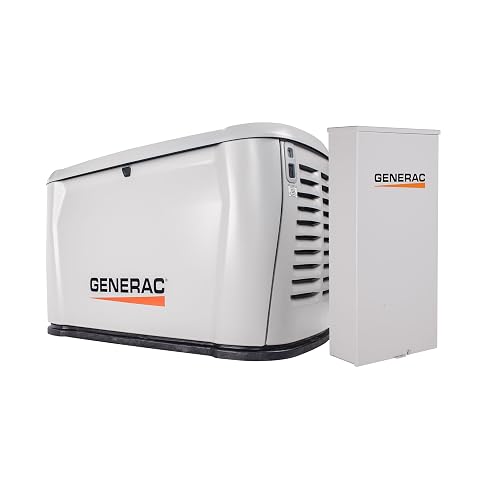
Champion 22,000-Watt Dual Fuel Whole House Home Standby Generator and 200-Amp Automatic Transfer Switch
Champion 22,000-Watt Dual Fuel (Liquid Propane/Natural Gas) Whole House Home Standby Generator and 200-Amp Automatic Transfer Switch with fleX Technology
Best for: Natural gas homes that want a permanent standby setup
This is a standby-style unit rather than a portable one, aimed at homeowners who have a natural gas line or propane tank and want automatic whole-home transfer without manual switching. Owners generally expect a professional installation.
Key specs
- 22,000-watt rating as stated in the listing
- Dual fuel: liquid propane and natural gas
- 200-amp automatic transfer switch included
Pros
- Runs on fuel supplied by utility or tank with no refueling trips
- Automatic transfer switch suits whole-home loads
- Designed for continuous standby service
Cons
- Requires permanent installation and fuel line work
- Less practical if you want to move it between locations
Bottom line: The right choice for homeowners with natural gas service who want hands-off backup and are ready for professional installation.
Westinghouse 14500 Peak Watt Tri-Fuel Home Backup Portable Generator
Westinghouse 14500 Peak Watt Tri-Fuel Home Backup Portable Generator, Remote Electric Start, Transfer Switch Ready, Gas, Propane, and Natural Gas Powered
Best for: Flexible fuel choice across gasoline, propane and natural gas
This suits households that want fuel options depending on what is available during an outage. Tri-fuel capability lets you switch sources as conditions change.
Key specs
- 14,500 peak watts as stated in the listing
- Tri-fuel: gasoline, propane and natural gas
- Remote electric start and transfer switch ready
Pros
- Three fuel options for longer flexibility
- Remote electric start simplifies operation
- Transfer switch ready for whole-home wiring
Cons
- Portable units are heavy and need a dry, ventilated spot
- Natural gas output depends on supply pressure
Bottom line: A strong all-round pick for homeowners who want to keep more than one fuel source on the table.
Westinghouse 28000 Peak Watt Tri-Fuel Home Backup Portable Generator
Westinghouse 28000 Peak Watt Tri-Fuel Home Backup Portable Generator, Remote Electric Start, Transfer Switch Ready, Gas, Propane, and Natural Gas Powered
Best for: Large homes with high simultaneous loads
This is the highest-output model in the group, aimed at larger households running central air, well pumps and kitchen appliances at once.
Key specs
- 28,000 peak watts as stated in the listing
- Tri-fuel: gasoline, propane and natural gas
- Remote electric start and transfer switch ready
Pros
- Large peak capacity for demanding loads
- Three fuel options
- Electric start for easier operation
Cons
- Very heavy and hard to relocate by hand
- Larger footprint needs more clearance for exhaust
Bottom line: Best for owners whose calculated load genuinely needs this output; oversizing wastes fuel.
DuroMax XP13000EH 13,000-Watt Dual Fuel Portable Generator
DuroMax XP13000EH 13,000-Watt Dual Fuel Portable Generator – Gas & Propane, Electric Start, Whole Home Backup Power, Transfer Switch Ready, RV & Emergency Ready
Best for: Gas-and-propane flexibility at a moderate output
A practical choice for homeowners who want dual fuel capability and electric start without moving into the largest output class.
Key specs
- 13,000 watts as stated in the listing
- Dual fuel: gasoline and propane
- Electric start and transfer switch ready
Pros
- Gasoline or propane operation
- Electric start
- Transfer switch ready for whole-home use
Cons
- No natural gas option
- Portable design still requires manual setup and outdoor placement
Bottom line: Suited to households that already keep gasoline or propane on hand and want a middle-range output.
Westinghouse 12500 Watt Dual Fuel Home Backup Portable Generator
Westinghouse 12500 Watt Dual Fuel Home Backup Portable Generator, Remote Electric Start, Transfer Switch Ready, Gas and Propane Powered
Best for: Budget-conscious buyers who need gas and propane backup
A budget-oriented pick for homeowners covering essential circuits or a smaller whole-home load, with gas and propane as the fuel options.
Key specs
- 12,500 watts as stated in the listing
- Dual fuel: gasoline and propane
- Remote electric start and transfer switch ready
Pros
- Accessible entry point for whole-home backup
- Remote electric start
- Propane option for longer storage life
Cons
- No natural gas capability
- Lower output may require load management
Bottom line: A sensible choice if your essential loads fit within 12,500 watts and you do not have natural gas service.
Westinghouse 18000 Peak Watt Tri-Fuel Home Backup Portable Generator
Westinghouse 18000 Peak Watt Tri-Fuel Home Backup Portable Generator, Remote Electric Start, Transfer Switch Ready, Gas, Propane, and Natural Gas Powered, CO Sensor
Best for: Households prioritizing carbon monoxide awareness
This model adds a CO sensor to a tri-fuel design, which appeals to families concerned about exhaust safety during extended outages.
Key specs
- 18,000 peak watts as stated in the listing
- Tri-fuel: gasoline, propane and natural gas
- CO sensor, remote electric start, transfer switch ready
Pros
- Built-in CO sensor
- Three fuel options
- Mid-to-large output range
Cons
- A sensor supplements, but does not replace, proper outdoor placement
- Heavy and needs a secure, level surface
Bottom line: Good for families who want fuel flexibility plus an added safety feature, provided it is run outdoors and well away from openings.
Westinghouse 13500 Peak Watt Dual Fuel Home Backup Portable Generator
Westinghouse 13500 Peak Watt Dual Fuel Home Backup Portable Generator, Remote Electric Start, Transfer Switch Ready, Gas and Propane Powered
Best for: Mid-sized homes with gas and propane on hand
A middle-range dual fuel generator for homes with moderate whole-house loads and no natural gas connection.
Key specs
- 13,500 peak watts as stated in the listing
- Dual fuel: gasoline and propane
- Remote electric start and transfer switch ready
Pros
- Dual fuel flexibility
- Remote electric start
- Transfer switch ready
Cons
- No natural gas option
- Portable units need manual repositioning and outdoor setup
Bottom line: A balanced choice for mid-sized homes that want dual fuel and do not need the top output tier.
Buying Guide
Fuel type: gasoline, propane or natural gas
Gasoline stores poorly for long periods and degrades within months unless stabilized. Propane stores indefinitely in sealed tanks, and natural gas offers continuous supply if your utility stays up. Match the fuel to what you can realistically keep or access. For a deeper comparison, see Best Fuel for Whole House Generator: Gas, Propane or Diesel Compared (2026).
Good picks for this: Westinghouse 14500 Peak Watt Tri-Fuel Home Backup Portable Generator, Champion 22,000-Watt Dual Fuel Whole House Home Standby Generator
Tri-fuel versus dual-fuel capability
Tri-fuel models accept gasoline, propane and natural gas, giving you a fallback when one source is limited. Dual-fuel models cover two options. Confirm the fuel and pressure specifications in the listing before buying. Understanding What Does a Whole House Generator Run On? Fuels Compared (2026) helps frame this choice.
Good picks for this: Westinghouse 28000 Peak Watt Tri-Fuel Home Backup Portable Generator, Westinghouse 18000 Peak Watt Tri-Fuel Home Backup Portable Generator
Output and load sizing
Peak watts are a short-duration rating; running watts are what you can sustain. Calculate your essential loads before choosing. Undersizing causes overloads, while oversizing burns extra fuel. The guide to Whole House Generator Sizing: How to Calculate the Right Wattage (2026) walks through the math.
Good picks for this: Westinghouse 13500 Peak Watt Dual Fuel Home Backup Portable Generator, DuroMax XP13000EH 13,000-Watt Dual Fuel Portable Generator
Fuel runtime and consumption
Runtime depends on tank size, load and fuel type. Propane consumption rises with load, and a generator at high load will burn fuel much faster than one near idle. Check the manufacturer’s fuel-use chart for your load level. More on this topic: How Long Will a Whole House Generator Run: Fuel, Load and Tank Math (2026).
Good picks for this: Westinghouse 12500 Watt Dual Fuel Home Backup Portable Generator, DuroMax XP13000EH 13,000-Watt Dual Fuel Portable Generator
Transfer switch readiness
A transfer switch lets the generator feed your home circuits safely without backfeeding the grid. Portable models marked transfer switch ready still need a properly installed switch. Installation should be handled by a licensed electrician. Review Whole House Switch for Generator: How to Choose and Install One Safely before buying.
Good picks for this: Champion 22,000-Watt Dual Fuel Whole House Home Standby Generator, Westinghouse 14500 Peak Watt Tri-Fuel Home Backup Portable Generator
Placement, exhaust and carbon monoxide safety
Never run a portable generator indoors, in a garage, or near windows and vents. Carbon monoxide can build up quickly. Keep the unit at least 20 feet from openings as a common guideline, and install CO alarms on every level. For placement planning, see Whole House Generator Placement: Where to Put It for Safety and Quiet (2026). Consult a qualified professional or your local fire marshal for code requirements.
Good picks for this: Westinghouse 18000 Peak Watt Tri-Fuel Home Backup Portable Generator, Westinghouse 28000 Peak Watt Tri-Fuel Home Backup Portable Generator
Durability and maintenance
Fuel system maintenance matters more than many buyers expect. Owners commonly report that gasoline left in carburetors causes starting problems, while propane units tend to need less fuel-system attention. Regular oil changes and exercise runs keep the engine ready. A reference on routine service is Whole House Generator Oil Change: A Step-by-Step Guide.
Good picks for this: DuroMax XP13000EH 13,000-Watt Dual Fuel Portable Generator, Westinghouse 13500 Peak Watt Dual Fuel Home Backup Portable Generator
FAQ
Which fuel lasts longest in storage?
Propane stored in sealed tanks keeps indefinitely, while gasoline generally degrades within several months without stabilizer. Natural gas is supplied continuously by the utility, so storage is not a concern as long as service continues.
Can a portable generator run my whole house?
Some can, but usually only with a transfer switch and careful load management. Many homeowners run essential circuits instead. Calculate your running watts first, then review Whole House Generator Sizing Calculator USA: How to Get the Right Wattage (2026).
Is propane better than gasoline for backup power?
For long-term readiness, propane is generally easier to store and tends to leave fewer varnish deposits in the fuel system. Gasoline is more widely available in some emergencies and burns hotter in some engines. Your choice depends on storage and access.
Do I need a CO sensor on my generator?
A built-in CO sensor adds a layer of protection, but it does not replace proper outdoor placement and standalone CO alarms inside your home. Treat it as a supplement.
How much fuel should I store?
Calculate fuel use from the manufacturer’s consumption chart at your expected load, then multiply by the outage length you want to cover. Keep a margin, and rotate gasoline regularly.
Does natural gas output drop during an outage?
Natural gas pressure can vary, and during widespread outages supply may be interrupted. Owners often report that gas-fed units perform well under normal pressure, but a backup fuel source is worth planning for.
Conclusion
For most homes, the best whole house generator fuel choice depends on what you can reliably access. Homeowners with natural gas service should look at the Champion standby unit. Those wanting fuel flexibility across three sources will find the Westinghouse tri-fuel models practical, with the 28000 watt unit suited to large loads. The DuroMax and Westinghouse dual-fuel options fit homes using gasoline and propane, and the 12500 watt model is the budget-minded choice. Size your load first, then pick the fuel that fits your storage and supply.
Sources
- Guidance on home energy use, backup power planning and generator safety considerations (energy.gov)
- Carbon monoxide safety information and recall notices for portable generators (cpsc.gov)
- Fire and electrical codes relevant to generator installation and fuel storage (nfpa.org)
Before you buy: helpful guides
About Miles Sinclair
Miles Sinclair is part of our editorial team and reviews and edits our generators & noise guides, checking product details against manufacturer specifications and owner feedback.