 By Miles Sinclair
Updated November 2026
Shopping for the most efficient whole house generator means balancing fuel use, output, noise and how easily the unit connects to your electrical panel. This list compares seven units by fuel flexibility, load capacity, transfer switch compatibility and noise level, so you can match a generator to your home’s backup needs. Efficiency here refers to how well a unit delivers usable power per gallon or cubic foot of fuel, not a lab-certified rating.
Our top picks at a glance
- 1
 TOP CHOICEBest overallDuroMax XP13000EH 13,000-Watt Dual Fuel Portable GeneratorView on Amazon
- 2
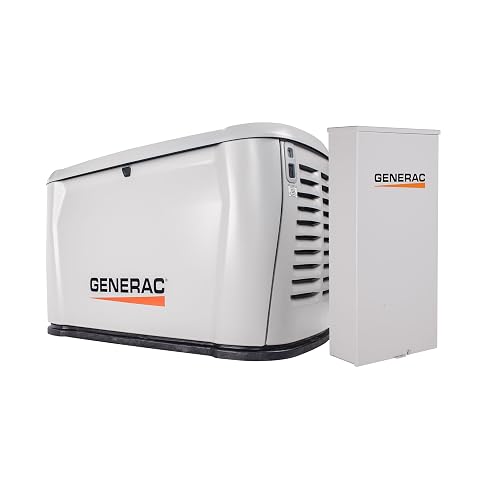
 TOP CHOICEBest for automatic standbyGenerac 26kW Automatic Backup Power, Whole House CoverageView on Amazon
- 3
 TOP CHOICEBest for natural gas homesHoneywell 14kW Home Standby GeneratorView on Amazon
- 4
 Best for remote monitoringGenerac Guardian 26kW Home Generator, Transfer Switch and WiFi MonitoringView on Amazon
- 5
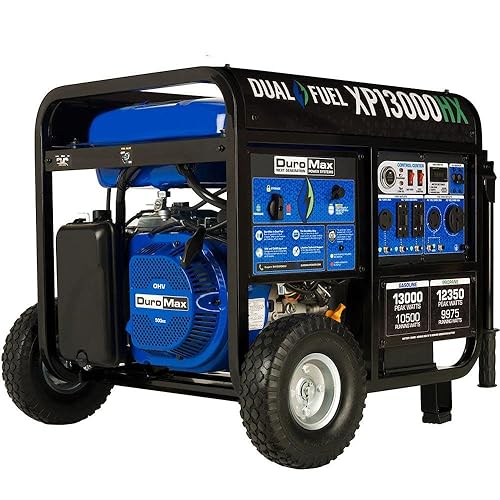 Best for dual-fuel flexibilityDuroMax XP13000HX 13,000-Watt Dual Fuel Portable GeneratorView on Amazon
- 6
 Best for large homesChampion 22,000-Watt Dual Fuel Whole House Home Standby GeneratorView on Amazon
- 7
 Best for quiet operation12000W Gas Powered Inverter Generator, 120/240V 50A, Whole Home Backup PowerView on Amazon
Our Top Picks
Quick Comparison
| Product | Best for | Key feature |
|---|---|---|
| DuroMax XP13000EH | Best overall | Dual fuel, electric start |
| Generac 26kW Whole Home Generator | Automatic standby | WiFi and cellular monitoring |
| Honeywell 14kW Home Standby Generator | Natural gas homes | Weather-resistant enclosure |
| Generac Guardian 26kW Home Generator | Remote monitoring | Built-in transfer switch |
| DuroMax XP13000HX | Dual-fuel flexibility | Transfer switch ready |
| Champion 22,000-Watt Standby Generator | Large homes | 200-amp transfer switch |
| 12000W Gas Inverter Generator | Quiet operation | 77 dB, ECO mode |
DuroMax XP13000EH 13,000-Watt Dual Fuel Portable Generator
DuroMax XP13000EH 13,000-Watt Dual Fuel Portable Generator – Gas & Propane, Electric Start, Whole Home Backup Power, Transfer Switch Ready, RV & Emergency Ready
Best for: Best overall Whole House Off-Grid Solar System: Sizing Steps and Parts for Your Home goes further into this.
This portable unit suits homeowners who want flexible fuel choices and can run a partial home circuit through a transfer switch.
Pros
- Runs on gasoline or propane
- Electric start simplifies operation
Cons
- Requires manual setup and fuel handling
Generac 26kW Automatic Backup Power, Whole House Coverage
Automatic Backup Power, Whole House Coverage, WiFi & Cellular Monitoring, Weather-Activated, Natural Gas or Propane Ready Generac 26kW Whole Home Generator, Cellular Capability
Best for: Automatic standby
Homeowners who want power restored without manual intervention will find this model’s automatic transfer design appealing.
Pros
- Weather-activated automatic start
- WiFi and cellular monitoring
Cons
- Requires professional installation
Honeywell 14kW Home Standby Generator
Honeywell 14kW Home Standby Generator – Automatic Backup Power for Whole Home – Runs on Natural Gas or Propane – Weather-Resistant Enclosure – Installation Pad Included
Best for: Natural gas homes
Suited to households already connected to a natural gas line that want a permanent, weather-resistant standby unit.
Pros
- Runs on natural gas or propane
- Installation pad included
Cons
- Lower output than the 26kW models
Generac Guardian 26kW Home Generator, Transfer Switch and WiFi Monitoring
Whole House Backup Power, Natural Gas Or Propane, WiFi Monitoring, Automatic Transfer, Storm And Outage Protection Generac Guardian 26kW Home Generator, Transfer Switch & WiFi Monitoring
Best for: Remote monitoring
Owners who travel or want status alerts on their phones will benefit from the included WiFi monitoring.
Pros
- Integrated transfer switch
- Remote status alerts
Cons
- Monitoring features depend on a steady network connection
DuroMax XP13000HX 13,000-Watt Dual Fuel Portable Generator
DuroMax XP13000HX 13,000-Watt Dual Fuel Portable Generator – Gas & Propane, Electric Start, Whole Home Power Backup, Transfer Switch Ready, RV & Emergency Ready
Best for: Dual-fuel flexibility
A good match for owners who want gasoline or propane options for emergency use and occasional RV trips.
Pros
- Transfer switch ready
- Dual fuel operation
Cons
- Portable design needs manual connection
Champion 22,000-Watt Dual Fuel Whole House Home Standby Generator
Champion 22,000-Watt Dual Fuel (Liquid Propane/Natural Gas) Whole House Home Standby Generator and 200-Amp Automatic Transfer Switch with fleX Technology
Best for: Large homes
Households with high electrical loads, such as central air and electric heat, may need the extra output this model provides.
Pros
- 200-amp automatic transfer switch included
- Dual fuel support
Cons
- Larger footprint and installation requirements
12000W Gas Powered Inverter Generator, 120/240V 50A, Whole Home Backup Power
Gas Powered, Electric Start, RV Ready, Digital Meter, 150 lb, 77 dB, ECO Mode for Fuel Efficient, EPA Compliant 12000W Gas Inverter Generator, 120/240V 50A, Whole Home Backup Power
Best for: Quiet operation
Neighborhoods with noise limits or owners who run loads intermittently may prefer this inverter design.
Pros
- Listed at 77 dB
- ECO mode for fuel efficiency
Cons
- Requires a manual transfer switch
Buying Guide
Fuel Type and Availability
Choose a generator that runs on the fuel you can reliably access during an outage. Dual fuel models that run on both gasoline or propane and natural gas offer more flexibility, while standby units connected to a home natural gas or propane line can run for extended periods without refueling.
Consider how your fuel supply holds up in a major storm. Propane tanks can be filled ahead of time, but natural gas supply can be interrupted along with the grid.
Output Capacity and Load Requirements
Calculate the total wattage of the appliances and systems you want to keep running, such as your HVAC, refrigerator, well pump, lighting and medical equipment. Starting loads like air conditioners and motors need extra headroom, so a generator rated above your running total is safer.
Whole house units are often sized in kilowatts, while portable models list running and starting watts. Match the rating to your actual load rather than buying the largest unit by default.
Transfer Switch Compatibility
A transfer switch safely connects the generator to your home’s electrical panel and prevents backfeeding into utility lines. Some generators include an automatic transfer switch, while others need one installed separately, which affects total cost and installation time.
If you want power to restore on its own during an outage, look for automatic transfer capability and check that your panel size, such as a 200-amp service, is supported.
Noise Level and Placement
Noise matters if your generator sits near bedrooms, neighbors or outdoor living areas. Standby units with weather-resistant enclosures are generally quieter than open portable frames, and placement away from windows and vents further reduces disturbance.
Check local regulations as well, since some municipalities set rules on generator installation distance and operating hours.
Monitoring and Ease of Use
WiFi or cellular monitoring lets you check status, receive outage alerts and schedule maintenance from a phone. Features like electric start and automatic exercise cycles make the unit easier to keep ready for an emergency.
FAQ
Is a whole house generator more efficient than a portable one?
Standby whole house units are typically designed to run longer and carry larger loads with automatic switching, which suits continuous home backup. Portable generators can be efficient for smaller loads but usually require manual setup and refueling.
Which fuel is best for a whole house generator?
Natural gas offers an unlimited supply when your utility is running, while propane stores well and works where gas lines are unavailable. Dual fuel models give you the option to switch depending on what you have access to.
How do I know what size generator my home needs?
Add up the wattage of the circuits and appliances you want to run during an outage, then add headroom for starting surges from motors and compressors. An electrician or the manufacturer’s sizing tools can help confirm the right capacity.
Do I need a professional to install a whole house generator?
Permanent standby generators and transfer switches generally require professional installation to meet electrical and fuel line codes. Portable units can be connected through a transfer switch or inlet box, which should also be installed by a qualified electrician.
How long can a whole house generator run?
Runtime depends on the fuel source, load and tank size. Natural gas standby units can run as long as the gas supply is available, while propane and gasoline units depend on tank capacity and refueling.
Conclusion
Homeowners who want hands-off, long-duration backup with automatic switching should look at the standby options, such as the Generac 26kW, Honeywell 14kW, Generac Guardian 26kW or Champion 22,000-watt model. Those seeking a lower-cost or more flexible option for essential loads may prefer the DuroMax dual fuel portable units or a solar-powered battery system.
Pick based on your fuel access, the wattage you truly need to keep running, and whether you want automatic transfer and remote monitoring. Matching these priorities to your home will get you the most useful backup power for your situation.
Related reading
- Most Quiet Whole House Generator: 5 Best Picks Compared (2026)
- Whole-House Generator Noise Reduction: 8 Steps That Actually Work
- Whole House UPS with Generator: 3 Best Options for Home Backup
- Whole House Switch for Generator: How to Choose and Install One Safely
- Whole House Standby Generator Installation: A Step-by-Step Guide
About Miles Sinclair
Miles Sinclair is part of our editorial team and reviews and edits our generators & noise guides, checking product details against manufacturer specifications and owner feedback.