 By Miles Sinclair
Updated November 2026
Installing whole house generator equipment is a bigger job than a portable unit, and the right starting point matters. This list compares seven products by what they do best: automatic standby operation, dual-fuel flexibility, transfer switch fit and how they handle noise and install footprint. Each pick is grouped by the need it serves so you can match the hardware to your home.
Our top picks at a glance
- 1
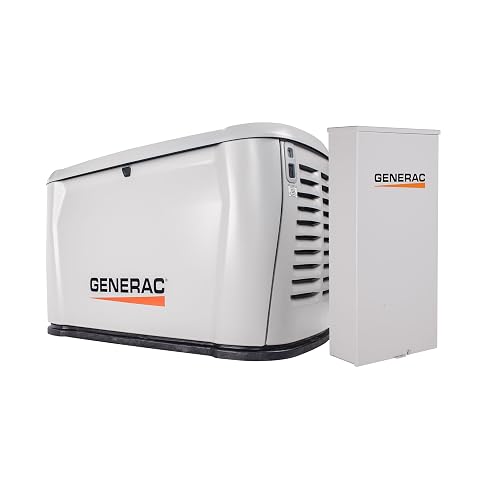 TOP CHOICEBest overallGenerac 10kW Whole Home GeneratorView on Amazon
- 2
 TOP CHOICEBest for natural gas homesHoneywell 14kW Home Standby GeneratorView on Amazon
- 3
 TOP CHOICEBest for dual-fuel flexibilityChampion 22,000-Watt Dual Fuel Standby GeneratorView on Amazon
- 4
 Best for portable-to-home hookupsDuroMax XP13000EH Dual Fuel Portable GeneratorView on Amazon
- 5
 Best for a generator inlet kit50 Amp Generator Cord and Power Inlet Box Combo KitView on Amazon
- 6
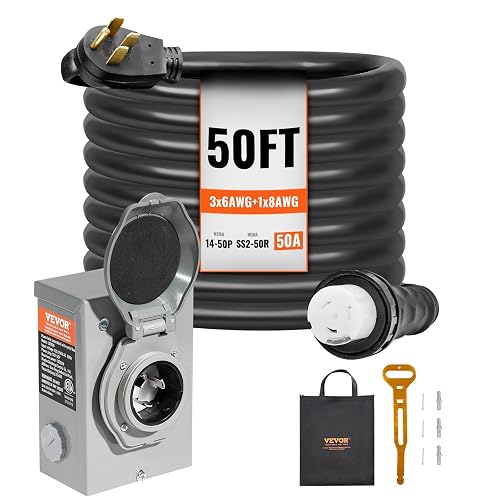 Best for longer cord runsVEVOR 50 Amp Generator Cord and Power Inlet Box KitView on Amazon
- 7
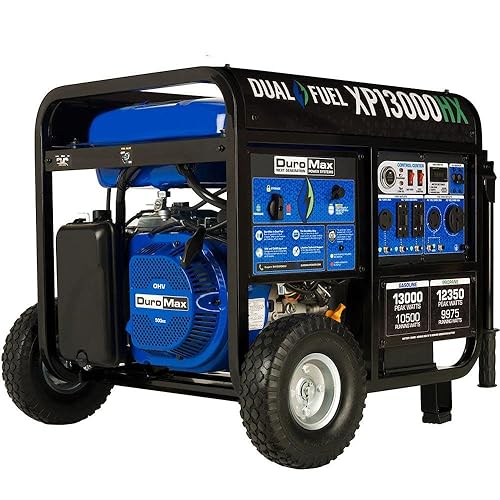 Best for a spare portable backupDuroMax XP13000HX 13,000-Watt Dual Fuel Portable Generator – Gas & ProView on Amazon
Our Top Picks
| Product | Best for | Key feature |
|---|---|---|
| Generac 10kW Whole Home Generator | Automatic whole-home backup | 16-circuit automatic transfer switch |
| Honeywell 14kW Home Standby Generator | Natural gas homes | Weather-resistant enclosure, pad included |
| Champion 22,000-Watt Dual Fuel Standby Generator | Dual-fuel flexibility | Liquid propane or natural gas, 200-amp switch |
| DuroMax XP13000EH | Portable-to-home hookups | Electric start, transfer switch ready |
| 50 Amp Generator Cord and Power Inlet Box Combo Kit | Generator inlet setups | Pre-wired 6/3 cord, twist-lock plug |
| VEVOR 50 Amp Generator Cord and Power Inlet Box Kit | Longer cord runs | 50-foot cord with pre-drilled box |
| DuroMax XP13000HX | Spare portable backup | Dual fuel, electric start |
Generac 10kW Whole Home Generator
Whole House Backup Power, Automatic 16 Circuit Transfer Switch, Outdoor Gas or Propane, Protects Home Outages Generac 10kW Whole Home Generator, Transfer Switch & Cellular Capability
Best for: Automatic whole-home backup
This suits homeowners who want a standby unit with a built-in transfer switch and minimal manual steps during an outage.
Pros
- Automatic 16-circuit transfer switch
- Outdoor gas or propane operation
Cons
- Capacity is modest for large all-electric homes
Honeywell 14kW Home Standby Generator
Honeywell 14kW Home Standby Generator – Automatic Backup Power for Whole Home – Runs on Natural Gas or Propane – Weather-Resistant Enclosure – Installation Pad Included
Best for: Natural gas homes
A fit for homes already on a natural gas line that want a weather-resistant unit with the pad included.
Pros
- Runs on natural gas or propane
- Installation pad included
Cons
- Gas supply sizing must be checked before purchase
Champion 22,000-Watt Dual Fuel Standby Generator
Champion 22,000-Watt Dual Fuel (Liquid Propane/Natural Gas) Whole House Home Standby Generator and 200-Amp Automatic Transfer Switch with fleX Technology
Best for: Dual-fuel flexibility
Useful for households that want to switch between natural gas and liquid propane depending on supply during a storm.
Pros
- Dual fuel: liquid propane or natural gas
- Includes a 200-amp automatic transfer switch
Cons
- Larger footprint than smaller standby units
DuroMax XP13000EH Dual Fuel Portable Generator
DuroMax XP13000EH 13,000-Watt Dual Fuel Portable Generator – Gas & Propane, Electric Start, Whole Home Backup Power, Transfer Switch Ready, RV & Emergency Ready
Best for: Portable-to-home hookups
Suits people who want a portable unit they can move, but who plan to connect it to the house through a transfer switch.
Pros
- Electric start and dual fuel
- Transfer switch ready
Cons
- Runs loud compared with inverter-style units
50 Amp Generator Cord and Power Inlet Box Combo Kit
NEMA 14-50P Male to SS2-50R STW 6/3+8/1 AWG 125/250V Twist Locking with Inlet Box for Generator to House 50 Amp 15Feet Generator Cord and Power Inlet Box Combo Kit
Best for: Generator inlet setups
A practical pick for anyone wiring a generator inlet box to a home panel, provided the work is done by a licensed electrician.
Pros
- Twist-lock NEMA 14-50P plug
- Includes inlet box in one kit
Cons
- Fixed cord length limits placement options
VEVOR 50 Amp Generator Cord and Power Inlet Box Kit
for Generator to House, NEMA 14-50P/SS2-50R, STW 6/3+8/1 AWG Extension Cord, with Twist Lock Connector, Pre-Drilled Box, ETL VEVOR 50 Amp Generator Cord and Power Inlet Box Kit 50FT Male-to-Female
Best for: Longer cord runs
Fits homes where the generator must sit well away from the house, since the 50-foot cord gives more placement room.
Pros
- 50-foot cord for distant generator placement
- Pre-drilled box with ETL listing
Cons
- Longer cords mean more voltage drop to check
Buying Guide
Standby vs. Portable Operation
Standby generators mount permanently outside the home, connect to natural gas or propane lines, and switch on automatically when utility power fails. Portable units must be started by hand and wired in through a transfer switch or inlet box, so they suit homeowners who are comfortable with manual setup and fuel handling.
Fuel Type and Supply
Check which fuel is already available at your property. Natural gas offers an unlimited supply as long as the utility line stays intact, while propane requires a tank that must be kept filled. Dual-fuel models give you the option to run on either, which can help during shortages.
Capacity and Circuit Coverage
Add up the loads you want to keep running, such as the furnace or heat pump, refrigerator, well pump, lighting and key outlets. Compare that total against the rated output of each unit, and confirm whether a transfer switch with enough circuits is included or needs to be purchased separately.
Noise, Enclosure and Installation Footprint
Weather-resistant enclosures and sound-attenuated housings make a difference for neighbors and for placement near bedroom windows. Measure the clearance required on each side of the unit and confirm that the installation pad, local code setbacks and ventilation needs will fit your yard.
Professional Installation and Permits
Standby generators typically require a licensed electrician or gas fitter, a permit and inspection in most areas. Factor those costs and timelines into your plan, and make sure the transfer switch and cord or inlet components you choose are rated for your service size.
FAQ
Can I install a whole house generator myself?
Many jurisdictions require a licensed electrician and a permit for standby generator installation, especially when connecting to a gas line or the home’s electrical panel. Portable generator connections through an inlet box are also safest when handled by a qualified professional. Check local code before starting any work.
What size whole house generator do I need?
Start by listing the appliances and circuits you want to power during an outage, then total their running and startup wattage. A licensed installer or electrician can perform a load calculation based on your home’s service size and recommend a suitable output.
Is natural gas or propane better for a standby generator?
Natural gas is convenient when your home already has a gas line, since it does not need refilling. Propane works well in areas without gas service, but you will need a tank sized and monitored for your expected run times. Dual-fuel units can switch between the two depending on what is available.
Do I need a transfer switch for a portable generator?
Yes, a transfer switch or power inlet box is the safe way to connect a portable generator to a home’s circuits. It isolates the generator from the utility grid, which protects utility workers and prevents backfeeding. Never plug a generator directly into a wall outlet to power the house.
How often should a standby generator be maintained?
Most manufacturers recommend periodic inspections, oil and filter changes, and self-test checks, often on a schedule tied to running hours or months. Keeping a maintenance log helps ensure the unit starts reliably when you need it most.
Conclusion
Homeowners who want a fully automatic, permanently installed solution should focus on the standby options, choosing a natural gas model if a gas line is already in place or a dual-fuel unit for added flexibility. Those who prefer lower upfront cost and can handle manual startup may find a portable dual-fuel generator paired with a transfer switch or inlet kit a practical alternative.
Before buying, confirm your load requirements, fuel availability and local permit rules, then match the product to those needs. A licensed installer can help finalize the right size and connection method for your home.
Related reading
- Whole-House Generator Noise Reduction: 8 Steps That Actually Work
- Whole House UPS with Generator: 3 Best Options for Home Backup
- Whole House Switch for Generator: How to Choose and Install One Safely
- Whole House Standby Generator Installation: A Step-by-Step Guide
- Whole House Standby Generator Installation Cost: What Drives the Price (2026)
About Miles Sinclair
Miles Sinclair is part of our editorial team and reviews and edits our generators & noise guides, checking product details against manufacturer specifications and owner feedback.


