By Owen Palmer
Updated November 2026
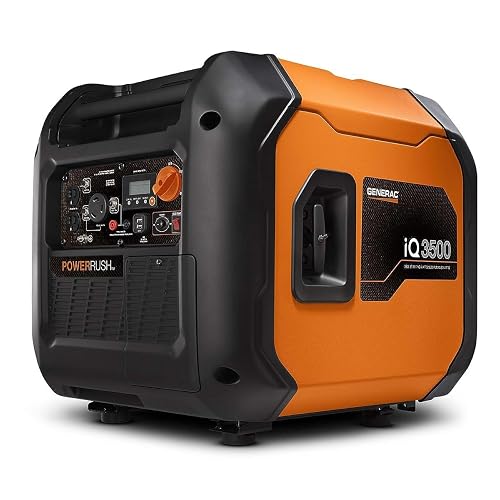
An inverter in a generator is the electronics that convert raw alternating current into clean, stable power, which is why inverter generators are usually quieter and more fuel-efficient than conventional models. This guide explains what the term means, how the technology works, and how to tell whether an inverter unit suits your needs. Once you finish, you should be able to read a generator spec sheet and understand what an inverter label actually tells you.
How a Conventional Generator Makes Power
A standard generator runs an engine at a fixed speed, usually 3,600 RPM for 60 Hz output in the United States, to keep the alternator spinning at the speed needed for steady voltage. The engine has to run at that speed whether you power a phone charger or a refrigerator, and that constant high RPM is the main source of its noise. The output is raw AC power that tracks the alternator’s speed directly, so voltage can wander when loads change.
What the Inverter Does Inside an Inverter Generator
An inverter generator uses an alternator that produces high-frequency AC, which is then converted to DC and rebuilt into clean 60 Hz AC by an electronic inverter circuit. Because the engine no longer has to hold one fixed speed, it can throttle up and down to match the load. That is the technical meaning of inverter generator: the power is conditioned electronically rather than delivered straight from the engine’s spin.
The practical result is a sine wave that stays steady, often described as “pure sine wave” or “clean power.” This matters for sensitive electronics such as laptops, medical devices, and modern appliances with circuit boards. If you want more background, see Solar Panel Specifications for DIY Systems: What Each Number Means.
Why Inverter Generators Run Quieter and Use Less Fuel
Because the engine speed adjusts to demand, an inverter unit spends much of its life at light load running slowly. Manufacturers often specify noise figures in dBA at a set distance, and inverter models typically rate lower than conventional units of similar wattage at light loads. Fuel use falls for the same reason: less throttle means less gasoline burned per hour. For a deeper look at the numbers, see Generator Decibel Ratings Explained: What dBA Numbers Mean.
The tradeoff is that inverter units usually cost more and have lower maximum wattage per unit of weight than open-frame conventional generators. For a direct comparison, read What Is Difference Between Generator and Inverter? Which Should You Choose?.
How to Check Whether a Generator Is an Inverter
You can confirm the type quickly without relying on marketing language. Follow these steps:
- Look at the product name and spec sheet for the words “inverter,” “digital,” or “pure sine wave.”
- Check the output rating in the spec. Inverter units often list a rated output and a lower continuous rating, with the wattage printed on the label.
- Look for total harmonic distortion (THD) figures. Low THD, often listed below about 3 percent by manufacturers, indicates clean output suitable for electronics.
- Check the noise rating in dBA at 23 feet (7 m), the standard test distance manufacturers commonly use.
- If the manual says the engine adjusts speed with load, the unit is an inverter design.
Common Mistakes When Reading Inverter Labels
- Assuming every “quiet” generator is an inverter. Some conventional units use sound enclosures without electronic conditioning.
- Comparing maximum wattage across types without checking the continuous rating.
- Ignoring the dBA test distance. A rating at 23 feet is not comparable to a figure taken at a different distance.
- Expecting inverter output to run large resistive loads, such as well pumps, at the same starting surge as a conventional unit.
Recommended Gear
- Surge-rated extension cords help keep voltage stable on long runs from an inverter unit. View on Amazon
- A sound-reducing enclosure or mat can reduce vibration and noise transmitted through hard surfaces. View on Amazon
FAQ
What does inverter generator mean in simple terms?
An inverter generator produces electricity with an engine that changes speed to match demand, then converts that power into clean, stable AC through electronics. The result is generally quieter operation and cleaner output for sensitive devices.
What does generator inverter mean on a product label?
On a label, “generator inverter” or “inverter generator” signals that the unit uses electronic conditioning to produce pure sine wave power. Check the spec sheet for THD figures and continuous wattage to confirm the claim.
Is an inverter generator always better than a regular generator?
Not always. Inverter units excel at quiet operation and clean power, but conventional generators often deliver more wattage for the money and handle heavy starting loads more readily. Your power needs should decide the choice.
Conclusion
An inverter in a generator is the electronic stage that turns variable engine output into clean, steady power, and it is the reason these units run quieter and burn less fuel. Read the spec sheet for the inverter label, THD figure, and dBA rating before you compare models. If you plan to run medical or sensitive equipment, consult a qualified electrician or medical equipment provider before connecting anything critical.
Related reading
- What Is Difference Between Inverter Generator and Regular Generator (2026): Which Should You Choose?
- Yamaha Generator EF2000iS Inverter Review: Is It Worth It?
- Yamaha EF2200iS Inverter Generator Review: Is It Worth It?
- Yamaha 3000 Watt Inverter Generator: Specs, Noise Data and Buying Steps
Ready to choose one?
About Owen Palmer
Owen Palmer is part of our editorial team and reviews and edits our generators & noise guides, checking product details against manufacturer specifications and owner feedback.