By Owen Palmer
Updated November 2026
The yamaha ef2200is inverter generator is a compact 2200-watt unit aimed at people who want quiet, clean power for electronics, small appliances and occasional backup without hauling around a heavy machine. It suits campers, tailgaters, RV owners who need a light portable unit, and homeowners who mainly want to keep a refrigerator, router and a few lights running during short outages. It is a weaker fit for anyone who plans to run a central air conditioner, a well pump or a full household circuit, because its rated output and surge capacity are modest. If you need whole-house or large-motor capability, a bigger unit or a dual-fuel model will serve you better.

YAMAHA EF2200iS Inverter Generator, 2200 Watts, Blue
Product Overview
The Yamaha EF2200iS is a portable gasoline-powered inverter generator in the EF series. Yamaha positions the EF2200iS as a light, low-noise unit that produces stable sine-wave power, which makes it compatible with sensitive electronics such as laptops, phones, medical devices that accept portable power, and modern appliances with digital control boards. The “iS” designation refers to Yamaha’s inverter-based design and its suitability for parallel connection with a second matching unit when more capacity is needed, though you should confirm the exact parallel kit requirements in the manufacturer’s manual before buying.
Inverter generators differ from conventional open-frame generators in how they produce power. Instead of spinning the engine at a fixed speed to hold 60 Hz, an inverter unit adjusts engine speed to match load, then converts the output through electronics. That approach generally lowers fuel use at light loads and reduces noise, which is why inverter models dominate the quiet-generator category. For a deeper comparison of the two designs, see What Is Difference Between Generator and Inverter? Which Should You Choose?.
The unit is sold as a blue, relatively compact enclosure with a carry handle and a control panel that includes an engine switch, outlets and monitoring indicators. Owners commonly describe it as easy to move by one person, which matters more than most spec sheets suggest once you start loading it into a vehicle or carrying it across a campsite.
Key Features & Specifications
The figures below reflect the general specifications that Yamaha publishes for the EF2200iS line. Always check the printed label and owner’s manual on your specific unit, since regional variants and revisions can change numbers slightly.
| Specification | Yamaha EF2200iS (as listed) |
|---|---|
| Rated output (running watts) | 1800 W |
| Maximum output (surge watts) | 2200 W |
| Output type | Stable sine wave, inverter-regulated |
| Engine type | 4-stroke, air-cooled OHV |
| Fuel | Gasoline (unleaded) |
| Fuel tank capacity | About 1.6 gallons |
| Noise level | Manufacturer-rated around 51 dBA at quarter load, measured at 23 ft |
| Parallel capability | Yes, with a compatible second unit and parallel kit |
| Dry weight | About 46 lb |
Two points deserve attention. First, the running wattage is the figure to plan around, not the surge figure. Surge is useful for a brief startup spike from a motor, but it is not sustainable. Second, decibel ratings are measured under specific conditions and distances, so a 51 dBA rating at 23 feet will sound different in a tent, a garage or a backyard with reflective walls. For a deeper look at how these numbers are measured and compared, see Yamaha 3000 Watt Inverter Generator: Specs, Noise Data and Buying Steps.
Pros & Cons
Pros
- Low published noise rating for its output class, especially at lighter loads.
- Stable sine-wave output suitable for sensitive electronics and modern appliances.
- Light enough for one-person transport, which owners frequently cite as a deciding factor.
- Parallel capability offers a path to more power later without replacing the unit.
- Yamaha’s engine and service network is widely recognized, and parts availability is generally good.
- Fuel efficiency at light loads is a commonly reported strength of inverter designs of this size.
Cons
- A 1800-watt running rating is limited for air conditioners, well pumps and large tools.
- The small fuel tank means relatively frequent refueling during long outages at full load.
- Gasoline-only operation; it does not run on propane or natural gas.
- Typically a premium-priced option in its class, which some buyers find hard to justify against cheaper inverter units.
- Noise remains noticeable at higher loads, and sound performance depends heavily on placement.
Performance Analysis
Performance for a unit like this comes down to three questions: will it carry your loads, how quiet will it be where you use it, and how long will it run on a tank. Start with load. The 1800-watt running rating is enough for a typical refrigerator (often 600 to 800 running watts, with a startup surge several times higher), a laptop, a router, LED lighting, a small microwave and a phone charger running at the same time, provided you do not stack everything at once. The 2200-watt surge figure gives some margin for compressor startup, but it is brief. Owners who try to start a large compressor while the unit is already near its limit often report stalled or overloaded operation, so staggering starts is a sound habit.
Noise is where the inverter design earns its reputation. Yamaha’s published rating of roughly 51 dBA at quarter load is in the range that most people perceive as conversation-level or quieter, and owners often describe the unit as noticeably less intrusive than open-frame generators. Your real-world result depends on load and environment. At full load the engine works harder and the sound rises. Placing the unit at least 20 feet from living spaces and directing the exhaust away from openings makes a measurable difference. If you need to cut noise further, a purpose-built enclosure can help; see Quiet Box for Inverter Generator: How to Build or Buy One That Cuts Noise.
Runtime is the third variable. With a roughly 1.6-gallon tank, runtime varies widely with load. Light loads can stretch a tank to many hours, while heavy loads shorten it considerably. Manufacturers typically publish runtime at a specified load percentage, so compare that figure to your own usage rather than assuming the best-case number. Owners who expect multi-day runtime on one tank usually need a larger tank, an auxiliary fuel tank, or a dual-fuel unit.
Overall, owner feedback patterns suggest the EF2200iS performs as a reliable, quiet, clean-power generator within its rating, with satisfaction highest among people whose loads match its capacity. Dissatisfaction tends to cluster around buyers who expected whole-house or high-draw performance from a 2200-watt machine.
Who Should Buy This Product?
This unit is a strong match for campers and tailgaters who want quiet power for electronics, lights and a small cooler or fan. It also suits RV owners who want a lightweight backup to shore power and who run modest loads. Homeowners who want emergency power for essentials such as a refrigerator, lights, communications and medical devices that accept portable power will find it capable, provided they plan loads carefully and operate the unit outdoors.
Skip this model if you need to run central air conditioning, an electric range, a sump or well pump of significant size, or power tools that draw heavily. Skip it also if you want propane or dual-fuel flexibility, since this is gasoline-only. Buyers who need those capabilities should look at larger or dual-fuel options rather than stretching a 2200-watt unit beyond its design.
Buying Guide
Before committing to the yamaha ef2200is inverter generator or any other model, work through a short planning process:
- List every device you intend to run at the same time. Note each item’s running watts from its label, not its name plate maximum.
- Add the startup surge for motor-driven items. Refrigerators and compressors can draw two to three times their running watts for a moment.
- Apply a safety margin. Many planners keep total running load at or below about 80 percent of rated output to reduce strain.
- Check runtime at your expected load. Compare the manufacturer’s runtime figure to your typical use and fuel storage plans.
- Confirm noise needs. If you live near neighbors or camp in shared sites, prioritize the lowest decibel rating you can find and plan placement carefully.
- Consider expansion. If you may need more power later, verify that the model supports parallel operation with a matching unit.
Within the same category, several well-known alternatives are worth comparing. The Honda EU2200i is widely regarded as a benchmark for quiet inverter operation and is a common reference point when shoppers compare noise and build quality:
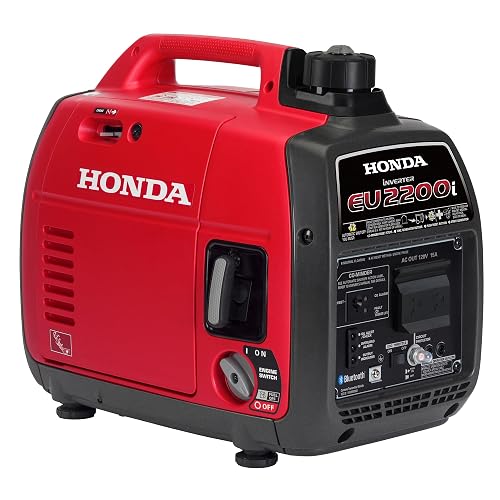
HondaSuper Quiet 120V Gas Powered Portable Generator for Camping or Home Backup Power Supply, Up to 8.1 Hour Run Time EU2200i 2200 Watt Inverter Generator (EU2200ITAN)
View on Amazon. For buyers who want more running flexibility and dual-fuel capability, the WEN DF360iX offers a higher output class and fuel options that the EF2200iS does not:

WEN Quiet and Lightweight 3600-Watt Dual Fuel RV-Ready Portable Inverter Generator with Fuel Shut Off and CO Watchdog (DF360iX)
View on Amazon. Your decision should rest on load requirements, noise tolerance, fuel preference and whether you need expansion. For broader context on quiet-running options, see Quietest Inverter Generator for Camping: 5 Best Picks Compared (2026).
FAQ
Can the Yamaha EF2200iS run a refrigerator?
In most cases, yes. A typical modern refrigerator runs on roughly 600 to 800 watts with a startup surge that the unit’s 2200-watt surge rating can generally handle when nothing else starts at the same moment. Check your refrigerator’s label and avoid running several high-draw appliances simultaneously.
Is the Yamaha EF2200iS quiet enough for camping?
Its published noise rating is low for a generator of this output class, and owners often describe it as suitable for campsites. Placement, load and local campground rules all affect how quiet it feels in practice, so check quiet-hour requirements before you arrive.
Can it run an air conditioner?
Generally no, not a central unit or most window units, because their startup surges are typically higher than the unit can sustain. Small fans and some very small cooling devices may work. Consult the appliance manufacturer and an electrician if you are unsure.
How long does one tank last?
Runtime depends on load. Light loads can run for many hours on about 1.6 gallons, while heavy loads shorten it substantially. Use the manufacturer’s published runtime at a stated load percentage as a baseline and test your own usage pattern.
Can I connect two units for more power?
The EF2200iS is designed with parallel capability, but you must use a compatible second unit and the correct parallel kit. Confirm the specifics in the owner’s manual before buying a second machine.
Is it safe to run indoors or in a garage?
No. Gasoline engines produce carbon monoxide, which can build up quickly in enclosed or partly enclosed spaces, including garages even with the door open. Operate the unit outdoors, away from doors and windows, and install battery-powered CO alarms. For health or safety-critical installations, consult a qualified electrician or safety professional.
Does it produce clean enough power for electronics?
Its stable sine-wave output is designed for sensitive electronics, and this is one of the main reasons inverter units are recommended for laptops, phones and modern control boards. Confirm compatibility for any specialized medical or critical equipment with the device maker.
How does it compare to an open-frame generator?
Inverter units generally run quieter and produce cleaner power, while open-frame units are often more affordable per watt and tolerate heavier loads more easily. The right choice depends on whether noise and power quality or raw capacity matters more to you.
Final Verdict
The Yamaha EF2200iS is a well-built, quiet, portable inverter generator with clean sine-wave output and a good reputation for reliability within its rated range. It is the right choice for campers, RV owners and homeowners who need dependable power for electronics, lighting and essential small appliances, and who value low noise. It is the wrong choice for anyone expecting to run central air, large pumps or heavy tools, or for buyers who need propane or dual-fuel capability. Match the unit to your real load list, and it will serve well. Review current listing details and specifications before purchasing: View on Amazon
Note: For electrical installations, transfer switches or any health-critical power needs, consult a licensed electrician or qualified professional before relying on a generator.
About Owen Palmer
Owen Palmer is part of our editorial team and reviews and edits our generators & noise guides, checking product details against manufacturer specifications and owner feedback.