 By Owen Palmer
Updated November 2026
The best natural gas inverter generator for you depends on how you plan to use it, how much noise you can tolerate and how much power you need to run. Natural gas models avoid carrying fuel cans and can run for long periods when connected to a supply line, while inverter designs produce cleaner power and quieter operation than conventional open-frame units. The picks below were chosen by comparing product listings, brand reputation and common owner feedback patterns, with the focus on rated output, noise characteristics and portability.
Our top picks at a glance
- 1
 TOP CHOICEBest overallHonda EU7000iS 7000 120/240V Watt Inverter GeneratorView on Amazon
- 2
 TOP CHOICEBest for campingGK 1600W Portable Inverter GeneratorView on Amazon
- 3
 TOP CHOICEBest for quiet home backupHonda EU2200i 2200 Watt Inverter Generator (EU2200ITAN)View on Amazon
- 4
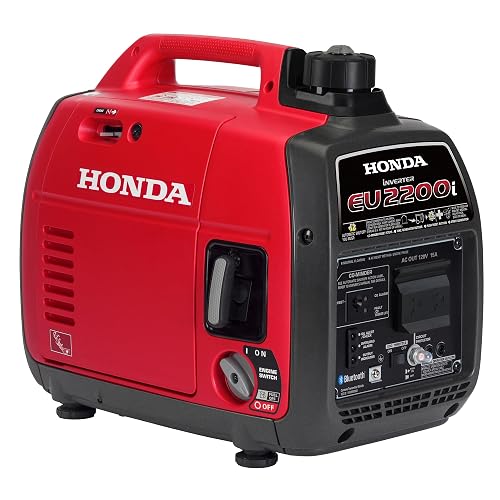 Best for RV and tailgatingHonda EU2200i Super Quiet 120V Portable GeneratorView on Amazon
- 5
 Best for budget powerFIRMAN W03383 Inverter Portable GeneratorView on Amazon
Our Top Picks
| Product | Best for | Key feature |
|---|---|---|
| Honda EU7000iS 7000 120/240V Watt Inverter Generator | Whole-home backup | 120/240V output, long run time |
| GK 1600W Portable Inverter Generator | Camping | Light weight, low noise |
| Honda EU2200i 2200 Watt Inverter Generator (EU2200ITAN) | Quiet home backup | Very low noise, clean power |
| Honda EU2200i Super Quiet 120V Portable Generator | RV and tailgating | Up to 8.1 hour run time |
| FIRMAN W03383 Inverter Portable Generator | Budget-minded buyers | 3650W remote start |
Honda EU7000iS 7000 120/240V Watt Inverter Generator
Super Quiet Gas Powered Portable Generator for Camping, RV, Tailgating, or Home Backup Power Supply, Up to 16 Hour Run Time Honda EU7000iS 7000 120/240V Watt Inverter Generator (EU7000ISNAT1X)
Best for: Whole-home backup and large loads
This is the model for households that want to run heavier appliances during an outage. Owners often report that it runs noticeably quieter than open-frame generators of similar output.
Pros
- 120/240V output supports larger household circuits
- Long run times for a portable unit
Cons
- Heavier and bulkier than smaller inverter models
GK 1600W Portable Inverter Generator
small gas inverter generator, lightweight camping, low db, backup generator, blackout power supply GK 1600W Portable Inverter Generator,Low Noise for Camping,26lbs
Best for: Camping and lightweight portable power
A compact option for campers and small outdoor setups that need modest output without a heavy frame. It suits anyone prioritizing low weight over maximum wattage.
Pros
- Lightweight, around 26 lbs, easy to carry
- Low noise rating for a gas portable
Cons
- Limited output for multiple large appliances
Honda EU2200i 2200 Watt Inverter Generator (EU2200ITAN)
Honda EU2200i 2200 Watt Inverter Generator, Super Quiet 120V Gas Powered Portable Generator for Camping or Home Backup Power Supply, Up to 8.1 Hour Run Time (EU2200ITAN)
Best for: Quiet home backup for essentials
Suited to households that need to power refrigerators, lights, and electronics during a blackout while keeping noise low enough for neighbors and indoor-adjacent spaces.
Pros
- Very quiet operation for a 2200-watt unit
- Clean sine wave output suitable for sensitive electronics
Cons
- Output is not sufficient for central air conditioning
Honda EU2200i Super Quiet 120V Portable Generator
Super Quiet 120V Gas Powered Portable Generator for Camping or Home Backup Power Supply, Up to 8.1 Hour Run Time Honda EU2200i 2200 Watt Inverter Generator (EU2200ITAN)
Best for: RV, camping and tailgating
A good match for RV owners and tailgaters who want a quiet, fuel-efficient inverter that can run for hours on a single tank.
Pros
- Up to 8.1 hour run time on a tank
- Compact enough for RV storage
Cons
- Single 120V outlet setup limits multi-circuit use
FIRMAN W03383 Inverter Portable Generator
FIRMAN W03383 Inverter Portable Generator, 3650W Remote Start Gas Power, 3300W Running Watts, Quiet Whisper Series Muffler, RV Ready 120V, Compact Fuel-Efficient Power for Camping and Outdoor Use
Best for: Budget-minded buyers wanting remote start
A practical choice for buyers who want remote start and RV-ready 120V output without paying for premium-brand features they may not use.
Pros
- Remote start and 3650W rated output
- Quiet Whisper Series muffler for lower noise
Cons
- Owners often report longer-term support questions compared with Honda
Buying Guide
Output Wattage and Running Loads
Add up the running watts of the appliances you need at the same time, then add a margin for startup surges from motors and compressors. Manufacturers specify both rated and surge watts, and the running figure is the one that matters for sustained use.
Noise Rating in Decibels
Compare the decibel figures the manufacturer lists at a stated distance, usually 23 feet at quarter load. A lower number means quieter operation, and inverter designs typically run quieter than conventional generators at the same output.
Good picks for this: Honda EU2200i 2200 Watt Inverter Generator (EU2200ITAN), GK 1600W Portable Inverter Generator
Run Time and Fuel Supply
Natural gas models run on a utility line, so run time depends on your gas supply rather than a tank. Check the manufacturer’s fuel consumption figures and confirm your line pressure and flow rate can handle the load.
Good picks for this: Honda EU7000iS 7000 120/240V Watt Inverter Generator, Honda EU2200i Super Quiet 120V Portable Generator
FAQ
Can an inverter generator really run on natural gas?
Yes, many inverter generators are designed to run on either gasoline or propane, and some models are built to connect to a natural gas supply line. Check the specific product listing to confirm which fuel types a model supports before you buy. Natural gas connections usually require a licensed installer and a suitable fuel line.
What is the difference between running watts and starting watts?
Running watts are the continuous power a generator can supply over time, while starting watts are the short burst of extra power needed to start motors such as refrigerator compressors or well pumps. Always size your generator based on the running watts of the devices you plan to power at the same time. Add a margin so the unit is not operating at its absolute limit.
Are inverter generators quieter than conventional generators?
Inverter generators typically run quieter because they adjust engine speed to match the electrical load, rather than running at full speed all the time. Noise levels still vary by model and by how hard the unit is working. Placing the generator away from living spaces and pointing the exhaust away from people will also reduce the noise you hear.
Is a 120/240V generator necessary for a home backup setup?
A 120/240V generator can power higher-demand appliances such as electric dryers or central air systems, while 120V-only models are often enough for lights, refrigerators, phone chargers and small electronics. Consider which appliances you truly need during an outage before choosing. A licensed electrician can help you connect any generator safely to your home.
Can I run a generator indoors or in a garage?
No, generators produce carbon monoxide, which can build up quickly in enclosed or partially enclosed spaces, including garages and basements. Always operate the unit outdoors at a safe distance from doors, windows and vents. Installing a battery-operated carbon monoxide alarm nearby is a good additional precaution.
How do I keep a natural gas generator running reliably?
Follow the manufacturer’s maintenance schedule, which usually includes checking the oil, cleaning or replacing the air filter and inspecting spark plugs. Run the generator periodically so the engine and components stay in good working order. Keep the unit covered and protected from moisture when it is not in use.
Conclusion
If you need a compact, quiet unit for camping or light backup power, a smaller inverter model is likely the best fit. If you plan to power larger household loads during extended outages, a higher-wattage 120/240V option with a longer run time will serve you better.
Match the generator to your actual load, your noise tolerance and how long you expect to run it, and you will end up with the right choice for your needs.
Before you buy: helpful guides
Related reading
- 3 Best Inverter Generator Natural Gas Models for Home Backup (2026)
- Top 7 LP Gas Inverter Generators Compared for Home and RV Use
About Owen Palmer
Owen Palmer is part of our editorial team and reviews and edits our generators & noise guides, checking product details against manufacturer specifications and owner feedback.




