As an Amazon Associate I earn from qualifying purchases. This page may contain affiliate links.
A pulsar generator dual fuel unit runs on either gasoline or propane, and switching between them is mostly a matter of choosing the right fuel source and making a few checks before you start. This guide walks you through how these machines are built, how to set one up safely, how to run it on each fuel, and how to keep the noise level down. By the end, you should know what to check before every run and where the decibel numbers actually come from.
What a Pulsar Dual Fuel Generator Is
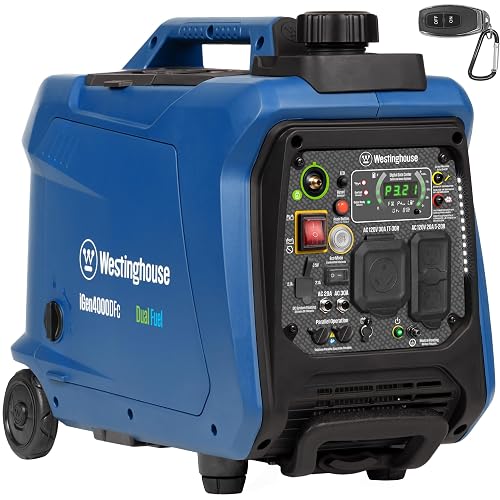
A dual fuel generator is an engine that accepts two fuel types, typically gasoline and liquid propane (LP). Pulsar sells portable and standby-style units built on this principle, and the appeal is straightforward: gasoline is easy to store in small quantities, while propane keeps for years in a cylinder and burns cleaner in the engine. Many owners keep a propane tank for long-term backup and use gasoline for short, quick starts.
Shopping for one? See our guide: 9 Best Portable Generator Dual Fuel Models for Quieter Power (2026).
Before you buy or use one, confirm the exact model’s rated running watts and starting watts in the owner’s manual. Those two numbers determine what you can safely plug in, and they usually differ between gasoline and propane operation. Manufacturers typically specify lower output on propane because LP carries less energy per volume than gasoline.
Step 1: Check Your Fuel Options Before You Start
Dual fuel does not mean you can mix fuels in the tank or run both at once. You choose one source per run. Here is what to verify first.
- Confirm the fuel selector or switch position matches the fuel you connected.
- For gasoline, use fresh unleaded fuel rated for small engines. Avoid fuel blends above the ethanol limit listed in the manual.
- For propane, use a standard 20-pound cylinder or a larger tank rated for LP vapor draw, with the valve closed when not in use.
- Never store gasoline indoors or near the propane regulator connection.
Step 2: Set Up a Propane Connection Safely
Propane setups have the most room for error, so take this part slowly. Use the regulator and hose that came with the unit or a replacement listed for your model. Check the hose for cracks, stiffness or brittle sections before each season.
Leak Check Procedure
- Close the cylinder valve and attach the regulator hand-tight, then snug it with the correct wrench.
- Open the cylinder valve slowly.
- Brush a soapy water solution onto every joint. Bubbles mean a leak.
- Tighten or replace the fitting if bubbles appear, then recheck.
If you smell gas at any point, close the cylinder valve, move away from the unit, and call your gas supplier or fire department. A licensed technician should handle any repairs to the fuel system.
Step 3: Start and Run the Generator on Each Fuel
Place the generator outdoors on a flat, dry surface at least 20 feet from doors and windows, with the exhaust pointed away from the building. Never run it in a garage, even with the door open. Carbon monoxide builds up faster than most people expect.
| Step | Gasoline | Propane |
|---|---|---|
| Fuel source | Fresh unleaded in tank | Cylinder valve open, regulator connected |
| Fuel selector | Set to gasoline | Set to propane |
| Choke or start | Choke on for cold start, off once warm | Follow manual; many units start with less choke |
| Typical output | Higher rated watts | Lower rated watts |
Let the engine warm up for a minute or two before connecting loads. Plug in only what the rated watts can carry, and start heavy motors like well pumps or refrigerators one at a time.
Step 4: Reduce Noise on a Pulsar Dual Fuel Unit
Noise is the big complaint with portable generators, and dual fuel units are no exception. Engine noise is usually measured in decibels at a set distance, often 23 feet (7 meters), which is the standard the EPA uses for generator labeling. Manufacturers publish these figures, so compare them directly. Lower is quieter, and a difference of 10 dB sounds roughly half as loud to most people.
Practical Noise Reduction Steps
- Place the unit on a rubber pad or vibration mat to cut transmitted rumble.
- Keep the unit at least 20 feet from neighbors’ windows and point the exhaust away from them.
- Build a sound barrier, but leave generous airflow space. Never enclose it fully, because overheating and carbon monoxide become serious risks.
- Run the generator at a lighter load. Engines are generally quieter at lower RPM, so avoid running at full output when you don’t need it.
- Keep the air filter clean and the oil at the correct level. A dirty filter or low oil makes the engine work harder and louder.
For a broader look at quieter running habits, see Power Smart Dual Fuel Generator: How to Run One Quieter (2026) and Quietest Dual Fuel Generator: 10 Best Picks Compared (2026).
Step 5: Maintain the Unit for Long-Term Use
Dual fuel generators need the usual small-engine care plus a few extra checks for the propane side. Change oil on the schedule in your manual, check spark plugs once a season, and run the engine for a few minutes on propane periodically so the fuel system stays in good shape. If you plan to store the unit for months, drain or stabilize gasoline in the tank and disconnect the propane cylinder.
Owners who want a deeper look at fuel system care may find Dual Fuel Carburetor for Generator: Step-by-Step Setup and Tuning Guide useful, though any carburetor work should follow the manufacturer’s specifications.
Common Mistakes to Avoid
- Running the generator indoors, in a garage or in an enclosed porch.
- Assuming propane output matches gasoline output. Always check the rated watts for each fuel.
- Leaving the propane valve open when the unit is off and unused.
- Ignoring a faint gas smell because the generator seems to run fine.
- Connecting a home directly to the generator without a transfer switch or interlock kit. Backfeeding can injure utility workers and damage equipment. A licensed electrician should handle any home wiring.
Tips for Better Results
- Keep a small log of run times, fuel type and maintenance dates. It makes troubleshooting much easier.
- Buy a propane cylinder large enough for your typical outage length, and keep a spare on hand if your area has frequent storms.
- Test the unit under load once a month, even briefly, so you know it starts when you need it.
- Use a decibel meter app to check actual noise at your property line before and after changes.
Recommended gear
These items help with safe setup and quieter operation. Check compatibility with your specific model before buying.
- Rubber generator mat: A thick rubber pad reduces vibration noise transmitted through the ground and keeps the unit level. View on Amazon
- Propane leak detector: A handheld or plug-in detector gives early warning of gas leaks at fittings and hoses. View on Amazon
- Carbon monoxide alarm: A battery-backup CO alarm placed near sleeping areas adds a layer of protection during and after an outage. View on Amazon
- Soapy-water leak test kit: A spray bottle and leak-detection solution make the connection check quick and reliable. View on Amazon
FAQ
Can I run a Pulsar dual fuel generator on both gasoline and propane at the same time?
No. You choose one fuel source per run. Mixing or running both at once is not a supported setup in the manuals for these units.
Why is the rated output lower on propane?
Propane contains less energy per volume than gasoline, so the engine produces less power on LP. Check the owner’s manual for the exact figures for your model.
How far should a dual fuel generator be from the house?
A common guideline is at least 20 feet from doors, windows and vents, with the exhaust pointed away from the building. Follow your local code and the manufacturer’s instructions.
How do I check for a propane leak?
Brush a soapy water solution on each joint with the cylinder valve open. Bubbles indicate a leak. If you smell gas, shut off the cylinder valve, leave the area and call your gas supplier.
What does the decibel rating on a generator mean?
It is the noise level measured at a set distance, usually 23 feet, under specified load conditions. Lower numbers mean quieter operation, and comparing ratings only works when the test conditions are the same.
Can I connect a dual fuel generator directly to my home wiring?
Not safely without a transfer switch or interlock kit. Backfeeding into utility lines can hurt line workers and damage equipment. Hire a licensed electrician for any home connection.
How often should I run the generator to keep it ready?
Many owners run it for a short period every month under light load. This keeps the fuel system active and confirms it starts. Always run it outdoors.
Does propane store better than gasoline for backup power?
Propane does not degrade in a sealed cylinder the way stored gasoline can, which is why many people use it for long-term backup. Gasoline should be fresh and stabilized if stored.
Conclusion
A pulsar generator dual fuel unit gives you flexible backup power, provided you pick the right fuel, check connections before every run and respect the rated output for each fuel type. Keep the unit outdoors, away from windows, and use the decibel ratings and noise-reduction steps above to keep neighbors happy. For anything involving home wiring or fuel system repairs, consult a licensed professional.