As an Amazon Associate I earn from qualifying purchases. This page may contain affiliate links.
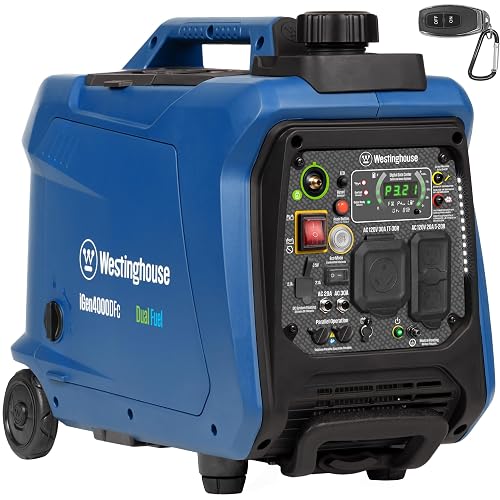
A Westinghouse dual fuel generator can run on either gasoline or propane, which gives you flexibility during outages and lets you stretch your fuel supply. This guide walks you through how these units switch fuels, how to set them up safely, how to measure and reduce their noise, and what maintenance keeps them reliable. Use it as a checklist before your first run and a reference when something sounds off.
How a Westinghouse Dual Fuel Generator Works
A dual fuel unit has a carburetor or fuel system designed to accept two fuel types. On gasoline, the engine draws liquid fuel through the carburetor and mixes it with air. On propane, the unit uses a separate vapor path, typically with a regulator that reduces tank pressure to a level the engine can use. Many models include a fuel selector switch or lever that changes which path is open. Always shut the engine down before changing fuel sources.
Propane burns cleaner than gasoline and stores for years without degrading, which makes it a common backup choice. Gasoline delivers slightly more power per unit of fuel and is easier to find in a pinch, but it goes stale within a few months unless treated with stabilizer. Manufacturers generally publish rated output for each fuel type, and propane output is usually lower than gasoline output, so check the rating plate before you size your loads.
Step 1: Check Your Load Before You Buy or Connect
Before you run any generator, total the wattage of the devices you plan to power. Starting watts (the surge needed when a motor or compressor kicks on) are usually two to three times the running watts. A refrigerator, a well pump, and a window air conditioner can all draw a large surge at once.
- List each device and its running watts from the label.
- Add starting watts for motor-driven items, using the highest surge only once.
- Compare the total to the generator’s rated running and surge output on the fuel you plan to use.
- Leave a margin of about 20 percent below rated output for steady operation.
If your loads exceed the unit’s capacity on propane, prioritize essentials or consider a larger model. For guidance on sizing a larger unit, see Is a 10kW Dual Fuel Generator Worth It? Sizing, Noise and Fuel Tips.
Step 2: Set Up the Generator Safely
Place the generator outdoors, at least 20 feet from doors, windows, and vents, and keep the exhaust pointed away from the building. Carbon monoxide can build up quickly in enclosed or semi-enclosed spaces, including garages and carports, even with the door open. Install battery-powered or battery-backup carbon monoxide alarms inside the home.
Grounding and Connections
Ground the frame according to the owner’s manual. Connect devices using heavy-duty extension cords rated for the load, or use a properly installed transfer switch for whole-home backup. Never backfeed a household circuit through a standard outlet, because it can energize utility lines and injure line workers. A licensed electrician should install any transfer switch.
Propane Connections
Use a propane tank with a regulator rated for the generator. Check connections with a soap-and-water solution, never an open flame. Bubbles indicate a leak. Tighten and retest until no bubbles form.
Step 3: Measure and Reduce Noise
Noise is measured in decibels (dBA), and the scale is logarithmic, so a 10 dBA increase sounds roughly twice as loud to most listeners. Manufacturers typically publish a dBA rating measured at a specified distance, usually 23 feet (7 meters) and often at quarter load. Compare ratings only when the test distance is the same.
| Noise Source | Approximate Level (dBA) |
|---|---|
| Quiet residential background | 30–40 |
| Normal conversation | 60 |
| Typical open-frame portable generator at 23 feet | 70–80 |
| Inverter generator at quarter load, 23 feet | 50–60 |
Several practical steps reduce noise without changing the generator itself:
- Run the unit at lower load. Most engines are quietest at light load because they throttle down.
- Position the generator so that walls and hedges do not reflect sound back toward living areas, but keep the air intake and exhaust clear.
- Place it on a level, firm surface. A soft or uneven base can increase vibration.
- Use a sound-absorbing enclosure only if the manufacturer approves it and it does not block airflow or trap exhaust.
- Check that exhaust fittings and muffler components are intact. A loose or damaged muffler is one of the most common causes of unexpected noise.
For a deeper look at quieting specific models, see Power Smart Dual Fuel Generator: How to Run One Quieter (2026) and Quietest Dual Fuel Generator: 10 Best Picks Compared (2026).
Step 4: Maintain the Westinghouse Generator Dual Fuel System
Routine maintenance keeps a Westinghouse generator dual fuel system ready when you need it. Follow the owner’s manual for intervals, which vary by model and engine.
- Change engine oil at the interval listed in the manual, using the oil grade specified.
- Replace the air filter when it looks dirty or at the recommended interval. A restricted filter can cause rich running and higher noise.
- Inspect the spark plug and replace it when worn.
- If you run gasoline, use fuel stabilizer or drain the tank before long storage.
- Exercise the unit monthly under load for a short period, on whichever fuel you plan to use in an outage.
- Check propane hoses and regulators for cracks, and replace components that show wear.
Hoses and regulators on propane setups deserve particular attention. Ensure any hose used is rated for propane and replaced at the interval the manufacturer recommends. Champion Dual Fuel Generator Propane Hose: Setup, Fit and Safety Steps covers the general fit and safety checks that apply across many dual fuel brands.
Common Mistakes
- Running the generator in or near a garage. Carbon monoxide can reach dangerous levels within minutes in a partly enclosed space.
- Overloading the unit. Exceeding rated output overheats the engine and can damage the alternator.
- Ignoring starting watts. A unit that handles the running load may still stall when a compressor or pump starts.
- Storing gasoline untreated. Old fuel gums up the carburetor, a frequent cause of hard starting.
- Switching fuels while running. Shut down first, then change the selector.
- Assuming propane output equals gasoline output. Check the rating for each fuel before sizing loads.
Tips for Reliable Dual Fuel Operation
- Keep a written log of run hours, oil changes, and fuel type used.
- Store at least one full propane tank or a sealed gasoline supply in a safe, ventilated outdoor location.
- Test your carbon monoxide alarms monthly and replace batteries as directed.
- Consider a transfer switch for whole-home power so you avoid running extension cords through doors or windows.
- For a broader comparison of models and features, see 5 Best Westinghouse Dual Fuel Inverter Generators for Home Backup in 2026.
Recommended gear
Several accessories make setup and maintenance easier and safer. Choose items rated for generator use and compatible with your model.
- Carbon monoxide alarm. A battery-backup unit gives you early warning if exhaust reaches living spaces. View on Amazon
- Heavy-duty generator extension cord. A cord rated for the full load reduces voltage drop and overheating risk. View on Amazon
- Propane leak detector. A handheld detector helps you check fittings and hoses before and after each connection. View on Amazon
- Fuel stabilizer. Treating gasoline before storage prevents varnish and carburetor clogs. View on Amazon
FAQ
Can a Westinghouse dual fuel generator run on both gasoline and propane?
Yes. Dual fuel models are built to run on either fuel. You switch using the fuel selector, after shutting the engine down. Check the owner’s manual for the exact procedure on your model.
Is propane or gasoline better for a backup generator?
Propane stores almost indefinitely and burns cleaner, which suits long-term standby use. Gasoline is easier to obtain quickly and often delivers slightly higher rated output. Many owners keep both options available.
Why is my dual fuel generator louder on propane?
Noise depends on load, muffler condition, and engine tuning more than on fuel alone. Check the muffler and exhaust for damage, and confirm the unit is not overloaded. If noise persists, have a qualified technician check the fuel system tuning.
How far should a generator be from my house?
A common guideline is at least 20 feet from doors, windows, and vents, with exhaust directed away from the structure. Local codes may require more distance, so verify requirements where you live.
How often should I run the generator?
Many owners run the unit under load for a short period each month. Follow the manufacturer’s recommendation for your model, and keep records of run time.
Can I power my whole house with it?
Whole-home backup requires a properly installed transfer switch and correct sizing. Consult a licensed electrician to confirm the setup meets local electrical code and protects utility workers.
What maintenance does the propane side need?
Inspect hoses and regulators for cracks, leaks, and wear, and replace them on the schedule the manufacturer recommends. Use soap-and-water leak checks after any connection change.
Where can I learn more about specific models?
Review model reviews such as Firman Generator Dual Fuel Review (2026): Features and Performance and Champion Dual-Fuel Inverter Generator Review (2026) to compare features against your needs.
Conclusion
A Westinghouse dual fuel generator gives you flexible backup power when you set it up correctly and run it within its rated limits. Size your loads with starting watts in mind, place the unit well away from living spaces, and keep fuel systems and exhaust components in good condition. Measure and manage noise with the decibel ratings and operating habits described above. Consult a licensed electrician for any transfer switch or whole-home installation.