By Owen Palmer
Updated November 2026
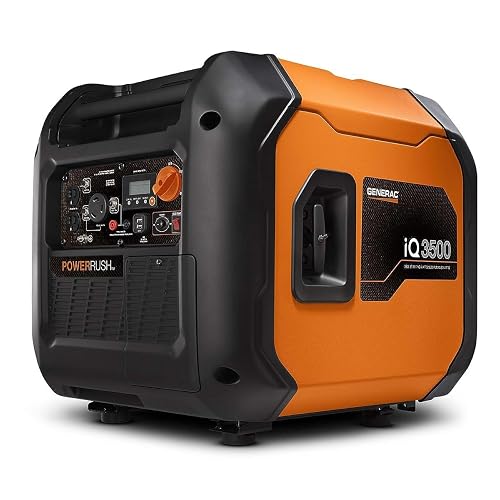
A powerhorse 3500 watt inverter generator can run a surprising amount of gear, but only if you know how to size your loads, position the unit, and keep its noise under control. This guide walks you through estimating your power needs, setting up the generator for quieter operation, and avoiding the mistakes that cause overloads and nuisance noise. The steps apply to any 3500-watt inverter unit, so you can use them whether you are powering a campsite or a job site.
Step 1: Work Out Your Running and Starting Watts
Start with a list of every device you plan to run at the same time. Check each label or manual for its running watts, then note the higher starting watts for anything with a motor or compressor, such as a refrigerator, sump pump or window air conditioner. Add the running watts of everything, then add the extra starting surge for the single largest motor. If the total stays under the rated output, you have room. Most manufacturers specify a rated running output and a higher peak output for short surges, so plan around the running number and treat the peak as a brief buffer.
Shopping for one? See our guide: Champion 4500 Watt Dual Fuel Inverter Generator Review: Is It Worth It?.
Step 2: Position the Generator for Quieter Operation
Placement changes how loud a generator sounds at your location far more than most owners expect. Set the unit on level ground, at least 20 feet from occupied structures, with the exhaust pointed away from doors and windows. Keep the air intake and cooling vents clear of walls and debris. A solid surface reflects sound, so placing the unit on grass or gravel rather than concrete reduces the reflected noise you hear. Owners often report that moving the generator just a few feet behind a low, solid barrier cuts perceived loudness, but the barrier must never block ventilation or exhaust.
Step 3: Set the Load and Eco Mode Correctly
Inverter generators run their engines at speeds that match the electrical load. Light loads let the engine slow down, which is where most of the noise reduction comes from. Turn on eco mode if your unit has it, and avoid running the generator at full output when you do not need it. Spread the load across the available outlets and use the lowest-wattage devices you can. A generator running at roughly a quarter to half of its rated output is usually both quieter and gentler on the engine than one pushed to its limit.
Step 4: Check Noise Data and Plan Your Schedule
Manufacturers publish noise figures in decibels, typically measured at a set distance under a defined load. Compare those figures against the decibel levels of everyday sounds, such as normal conversation or a running dishwasher, to judge how the generator will feel in practice. Because actual sound depends on distance, load and surroundings, treat the published number as a comparison point rather than a guarantee. If noise limits apply in your area, check local rules before running the unit overnight.
Pre-Run Checklist
- Confirm the total running watts of all connected devices stay below the rated output.
- Place the generator on level ground, at least 20 feet from doors and windows.
- Point the exhaust away from people and structures.
- Check the oil level and fuel before starting.
- Enable eco mode and use the lightest load that meets your needs.
Common Mistakes and Tips
- Ignoring starting watts. A motor can draw several times its running watts for a moment, which can trip the overload.
- Running the generator in a garage, enclosed porch or tent. Carbon monoxide builds up quickly in enclosed spaces, so keep the unit outdoors and well away from openings.
- Blocking the vents. Restricted airflow causes overheating and can increase noise.
- Placing the unit against a wall that reflects sound back toward your neighbors.
- Skipping routine maintenance. Clean air filters and fresh oil keep the engine running smoothly and quietly.
Recommended Gear
- A heavy-duty extension cord rated for outdoor use helps you run devices safely from the generator without overheating the cable. View on Amazon
- A generator carbon monoxide alarm gives you an early warning if exhaust gases reach living areas. View on Amazon
- A generator wheel kit makes it easier to move the unit to a better placement spot without lifting it. View on Amazon
FAQ
Can a 3500-watt inverter generator run a refrigerator and lights together?
Usually yes, as long as the refrigerator’s starting surge and the running watts of the lights fit within the rated output. Check the refrigerator label and add its starting watts to the running watts of everything else before connecting it.
How quiet is an inverter generator compared with a conventional one?
Inverter designs generally run quieter at light loads because the engine speed adjusts to demand. Compare the published decibel figures at similar loads to see the real difference.
Where should I place the generator to reduce noise at night?
Place it on level ground as far from sleeping areas as practical, with the exhaust pointed away from them. Keep ventilation clear and never run it in an enclosed space.
Conclusion
A powerhorse 3500 watt inverter generator delivers reliable power when you size your loads correctly, place it well, and run it at a sensible load. Follow the checklist above and review the decibel data before each use. For wiring a generator to a home electrical system, consult a licensed electrician.
Related reading
- Yamaha 3000 Watt Inverter Generator: Specs, Noise Data and Buying Steps
- Westinghouse 5000 Watt Inverter Generator: Specs, Noise and Load Planning
- Sportsman 1000 Watt Generator Inverter: Specs, Noise and Load Planning
- Ryobi 2300-Watt Bluetooth Inverter Generator Review: Key Features Explained
- Ryobi 2300 Starting Watt Inverter Generator: Specs, Noise and Load Planning
Ready to choose one?
About Owen Palmer
Owen Palmer is part of our editorial team and reviews and edits our generators & noise guides, checking product details against manufacturer specifications and owner feedback.