 By Miles Sinclair
Updated November 2026
A whole house automatic generator keeps your furnace, refrigerator, well pump and lights running when the grid goes down, switching on without you touching anything. This list compares six units by output, fuel type, noise level specifications, transfer switch setup and the features owners most often mention. Selection was based on product listings, brand reputation and owner feedback patterns; none of these units were tested by us.
Our top picks at a glance
- 1
 TOP CHOICEBest overallGenerac 22kW Whole Home Generator, Transfer Switch and Cellular CapabilityView on Amazon
- 2
 TOP CHOICEBest for smaller homesGenerac 10kW Whole Home Generator, Cellular CapabilityView on Amazon
- 3
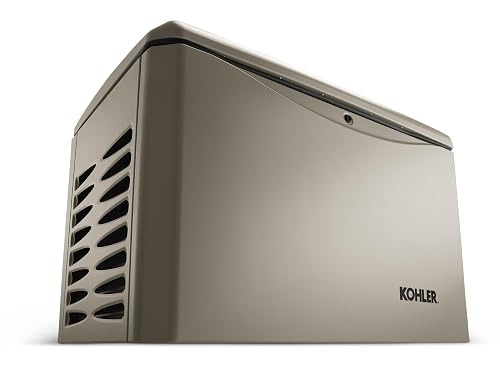
 TOP CHOICEBest for heavy loadsKohler 26RCAL-200SELS Air-Cooled Standby Generator with 200 Amp Transfer SwitchView on Amazon
- 4
 Best for dual fuel flexibilityChampion 22,000-Watt Dual Fuel (Liquid Propane/Natural Gas) Whole HousView on Amazon
- 5
 Best for a packaged installHoneywell 14kW Home Standby GeneratorView on Amazon
- 6
 Best for budget-minded buyersRCA 26,000-Watt Air-Cooled Whole House GeneratorView on Amazon
Our Top Picks
Quick Comparison
| Product | Best for | Key feature |
|---|---|---|
| Generac 22kW Whole Home Generator | Overall whole-home coverage | 22kW output, cellular monitoring |
| Generac 10kW Whole Home Generator | Smaller homes | 10kW output, cellular monitoring |
| Kohler 26RCAL-200SELS | Heavy loads | 26,000-watt, 200-amp transfer switch |
| Champion 22,000-Watt Dual Fuel | Dual fuel flexibility | Propane or natural gas |
| Honeywell 14kW Home Standby Generator | Packaged installation | Installation pad included |
| RCA 26,000-Watt Air-Cooled Whole House Generator | Budget-minded buyers | 26,000-watt air-cooled output |
Generac 22kW Whole Home Generator, Transfer Switch and Cellular Capability
Generac 22kW Whole Home Generator, Transfer Switch & Cellular Capability | Whole House Backup Power, Automatic 200 Amp Transfer Switch, Outdoor Gas Propane, Protects Home Outages, Storm Protection
Best for: Overall whole-home coverage
This suits homeowners who want broad circuit coverage, including central air, and who value remote status alerts through cellular connectivity.
Pros
- 22kW output covers most whole-house load profiles.
- Includes a 200-amp automatic transfer switch.
Cons
- Larger footprint than smaller units, so placement needs planning.
Generac 10kW Whole Home Generator, Cellular Capability
GeneracAutomatic Backup Power, Whole House Coverage, WiFi & Cellular Monitoring, Weather-Activated, Natural Gas or Propane Ready 10kW Whole Home Generator, Cellular Capability
Best for: Smaller homes
A good match for homes with moderate loads that do not run large central air systems at the same time as an electric range.
Pros
- Smaller output keeps the purchase and installation scope tighter.
- Supports natural gas or propane.
Cons
- Load management matters more; large simultaneous loads may trip it.
Kohler 26RCAL-200SELS Air-Cooled Standby Generator with 200 Amp Transfer Switch
Kohler 26RCAL-200SELS Air-Cooled Standby Generator with 200 Amp Transfer Switch Single Phase, 26,000-Watt
Best for: Heavy loads
Aimed at larger homes or those with electric heat, well pumps and multiple large appliances that need to run together.
Pros
- 26,000-watt rating and a 200-amp transfer switch are paired in one package.
- Air-cooled design avoids a separate radiator system.
Cons
- Heavier and more demanding on the installation site than smaller units.
Champion 22,000-Watt Dual Fuel Whole House Home Standby Generator with 200-Amp Automatic Transfer Switch
Champion 22,000-Watt Dual Fuel (Liquid Propane/Natural Gas) Whole House Home Standby Generator and 200-Amp Automatic Transfer Switch with fleX Technology
Best for: Dual fuel flexibility
This works well for homes where natural gas supply may be interrupted and a propane tank serves as backup fuel.
Pros
- Runs on liquid propane or natural gas.
- Includes a 200-amp automatic transfer switch.
Cons
- Fuel supply sizing must be checked against the unit’s consumption rates.
Honeywell 14kW Home Standby Generator
Honeywell 14kW Home Standby Generator – Automatic Backup Power for Whole Home – Runs on Natural Gas or Propane – Weather-Resistant Enclosure – Installation Pad Included
Best for: Packaged installation
Suited to homeowners who want a complete outdoor package, including an enclosure and installation pad, to simplify the setup process.
Pros
- Weather-resistant enclosure and installation pad included.
- Runs on natural gas or propane.
Cons
- Lower output than the largest units, which may not cover full central air loads.
RCA 26,000-Watt Air-Cooled Whole House Generator
RCA 26,000-Watt Air-Cooled Whole House Generator
Best for: Budget-minded buyers
A practical fit for buyers who want high wattage in an air-cooled design and are willing to verify installation details carefully.
Pros
- 26,000-watt rating at a budget-minded position in the lineup.
- Air-cooled design simplifies maintenance.
Cons
- Owners should confirm transfer switch and warranty details before buying.
Buying Guide
Match the Output to Your Home’s Load
Start by listing what you need to keep running during an outage, such as the furnace or heat pump, refrigerator, well pump, sump pump, lights and any medical equipment. Add up the approximate running wattage of those loads, then choose a unit with enough headroom to handle the starting surge that motors and compressors draw when they kick on.
Choose Between Natural Gas and Propane
Natural gas offers a continuous supply if your utility lines stay intact, but it can be interrupted during large storms or earthquakes. Propane requires an on-site tank that you need to keep filled, though it stores fuel reliably for long outages. Some models, like the dual fuel options in this list, let you switch between the two, which adds flexibility if your fuel supply is uncertain.
Consider the Transfer Switch and Installation Needs
The automatic transfer switch is what detects an outage and moves your home’s circuits to the generator. Check whether the switch rating matches your electrical service, since 200-amp panels are common in newer homes. Installation usually requires a licensed electrician and a permit, and a level concrete or composite pad is typically needed for the unit.
Look at Noise Levels, Enclosure and Placement Rules
Air-cooled standby units are generally built to run outdoors, and their sound output matters if your home sits close to neighbors or bedrooms. Review the manufacturer’s stated noise specifications and local ordinances, which may limit run times or require specific setbacks from property lines and windows. A weather-resistant enclosure helps protect the engine from snow, rain and debris.
Consider Monitoring and Maintenance Features
Many modern units offer Wi-Fi or cellular connectivity so you can check status, receive alerts and confirm that the generator is running. Routine maintenance such as oil changes, filter replacement and periodic self-tests keeps the unit ready, so factor in the service plan and how easily you can schedule it.
FAQ
How big of a whole house generator do I need?
The right size depends on the total running wattage of the appliances you want to power, plus extra capacity for motor startup surges. A licensed electrician or the manufacturer’s sizing tools can help you calculate your specific load. Choosing a unit with some headroom above your estimated needs is generally safer.
Can a whole house generator run on natural gas and propane?
Several models in this list are designed to run on natural gas, propane, or both, depending on the unit. Confirm the fuel options for the specific model you are considering, since some are set up for only one fuel type. Your installer can also confirm that your home’s fuel line or tank setup is compatible.
Do I need a professional to install a standby generator?
Yes, in most cases a licensed electrician and a qualified gas or propane technician should handle installation, including the transfer switch and fuel connections. Local codes typically require permits and inspections. Professional installation also helps ensure the unit meets manufacturer requirements and warranty conditions.
How often does a standby generator need maintenance?
Most standby generators perform automatic self-tests on a set schedule, often weekly, to confirm they will start when needed. Manufacturers usually recommend periodic oil and filter changes and an annual service visit, though exact intervals vary by model. Following the owner’s manual keeps the warranty valid and the unit reliable.
Will a whole house generator run my entire home during an outage?
It depends on the generator’s output and the transfer switch configuration. Some setups power the whole home, while others use a load management system to prioritize essential circuits. Reviewing your load plan before purchase helps set realistic expectations for what will run during an outage.
Conclusion
If you want the broadest coverage with cellular monitoring and a strong all-around choice, the larger Generac 22kW unit is a good fit for bigger homes with heavy electric loads. Smaller households with more modest needs may find the Generac 10kW or the Honeywell 14kW better matched to their wattage and budget.
Buyers who want dual fuel flexibility or a specific brand ecosystem should look at the Champion and Kohler options, while the RCA 26,000-watt unit suits those seeking high output in an air-cooled design. Confirm your load requirements, fuel access and local installation rules before making a final decision.
Related reading
- Whole-House Generator Noise Reduction: 8 Steps That Actually Work
- Whole House UPS with Generator: 3 Best Options for Home Backup
- Whole House Switch for Generator: How to Choose and Install One Safely
- Whole House Standby Generator Installation: A Step-by-Step Guide
- Whole House Standby Generator Installation Cost: What Drives the Price (2026)
- Whole House Standby Generator Cost: What to Expect in 2026
About Miles Sinclair
Miles Sinclair is part of our editorial team and reviews and edits our generators & noise guides, checking product details against manufacturer specifications and owner feedback.


