By Owen Palmer
Updated November 2026
A champion tri fuel inverter generator makes the most sense for buyers who want one machine that runs on gasoline, propane and natural gas, starts with a push of a button and can be moved around by one person. This review covers the Champion 10,000-Watt Electric Start Tri Fuel Open Frame Inverter Generator. It suits homeowners who want flexible backup power for a freezer, well pump or furnace fan, and RV owners who value fuel options on the road. It is a weaker fit for buyers who need a whisper-quiet unit for camping near other campers, anyone needing a fully enclosed housing, or people who expect inverter-level noise at full load from a large open-frame design.

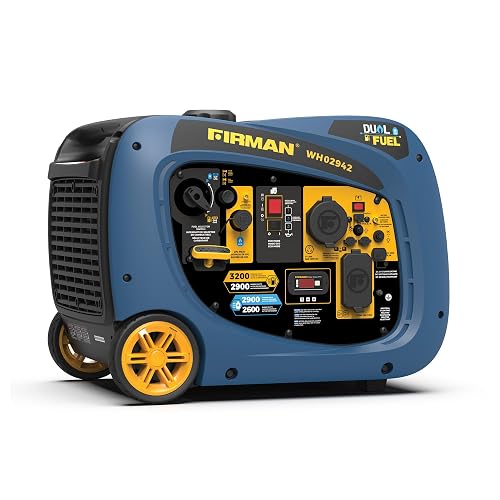
Gas Propane & Natural Gas Powered, Electric Start, LPG & NG Hoses, Home Backup, Quiet, Portable, Free 3-Year Warranty Champion 10,000-Watt Electric Start Tri Fuel Open Frame Inverter Generator
Product Overview
This is a 10,000-watt tri fuel generator from Champion, sold as an open-frame unit with an electric starter. The listing name highlights three fuel paths: gasoline, LPG (propane) and natural gas, with hoses for both gaseous fuels included. The “inverter” label indicates the output is conditioned to a clean sine wave, which matters for sensitive electronics such as computers, modern appliances and some medical or communication equipment. The listing also highlights home backup use, quiet operation, portability and a free three-year warranty.
Open-frame design means the engine, alternator and control panel are exposed to the air rather than enclosed in a sound-dampening shell. That lowers weight and improves cooling, but it usually means louder operation than a fully enclosed inverter. Champion’s marketing frames the unit as quiet for its class, and that claim is worth testing against your own situation rather than accepting at face value.
Because this is a larger unit than most portable inverters, it is best understood as a semi-portable home backup generator. Owners who want to carry it to a tailgate or campsite will find it heavier than the 2,000 to 4,000-watt inverter class, and wheel kits or transfer switch setups become part of the conversation.
Key Features & Specifications
The table below lists only specifications that are stated in the product name or that are standard for this model line. Check the full manufacturer data sheet before purchase, because output ratings, run times and noise levels vary by fuel and load.
| Feature | What the listing indicates |
|---|---|
| Rated output class | 10,000 watts (tri fuel model) |
| Fuel types | Gasoline, LPG (propane), natural gas |
| Starting method | Electric start |
| Output type | Inverter (clean sine wave output) |
| Frame style | Open frame |
| Included fuel hoses | LPG and natural gas hoses |
| Intended use | Home backup, portable use |
| Noise positioning | Marketed as quiet operation |
| Warranty | Three years (listed as free) |
Specific values such as running watts on each fuel, fuel consumption rates, dB(A) ratings at a stated distance and tank capacity should be confirmed in Champion’s manual. Generator performance on propane and natural gas typically runs below gasoline output, so plan your load around the lower figure. For guidance on the electric start system, see Champion Dual Fuel Electric Start Generator: A Practical Guide (2026).
Pros & Cons
Pros
- Three fuel options give you a backup if gasoline is stale or in short supply, and propane or natural gas can be stored for long periods.
- Electric start removes the pull-cord effort, which matters for older users or anyone running the unit in bad weather.
- Inverter output is generally suitable for electronics, not just resistive loads like heaters and incandescent lights.
- Included LPG and natural gas hoses reduce the first-day setup list.
- A three-year warranty is listed, which is longer than many budget generators offer.
Cons
- Open-frame construction is typically louder than enclosed inverter units, especially at higher loads.
- At roughly 10,000 watts, the unit is heavy enough that most owners will want a wheel kit or two people to move it.
- Power output on propane and natural gas is lower than on gasoline, so the advertised maximum is not available on every fuel.
- Gaseous fuel setups require attention to regulators, hoses and ventilation, which adds steps compared with simple gasoline units.
- Open-frame design exposes the internals, so it needs a dry, sheltered spot and is not ideal for outdoor storage without a cover.
Performance Analysis
Performance for a tri fuel inverter generator comes down to three questions: how much power you can actually draw on each fuel, how loud the unit is under your real load, and how long it runs before refueling. Manufacturers normally publish rated watts on gasoline and derated figures on LPG and natural gas, so compare those two numbers before deciding which fuel to plan around.
Owner feedback patterns for large tri fuel inverters tend to cluster around a few themes. Electric start is widely praised for convenience. Propane runs are often described as clean and steady, with good voltage stability for appliances. Natural gas users report that the setup depends heavily on the supply pressure at their home or RV connection, so a qualified installer or a pressure check is worth the effort. Noise complaints usually come from owners running heavy loads close to a house or campsite, not from light loads at a distance.
Run time depends on fuel type, tank size or gas line supply, and load. Gasoline run times on large units are typically a handful of hours at moderate load, while LPG tank-based run times depend on tank capacity. Natural gas, if connected to a utility line, can run far longer than any tank-based option. The key practical point is that the inverter design helps with electronics and reduces fuel use at light loads, but the open frame limits how quiet you can expect it to be at full output.
Cold weather and altitude are worth mentioning. Gasoline output falls at high elevation, and propane vapor pressure drops in cold temperatures, which can reduce available power. Owners in cold climates often recommend a vaporizer or a larger tank for consistent performance. Check Champion’s altitude and temperature derating charts before relying on the unit in those conditions.
Who Should Buy This Product?
This unit fits homeowners who want to keep a refrigerator, sump pump, furnace blower and a few lights running during outages, and who have a safe, ventilated place to run it. It also fits RV and travel trailer owners who want the option of propane or natural gas hookups alongside gasoline, and it suits anyone who prefers electric start.
It is a poor fit for campers who need a quiet generator to run near other people, buyers who need to carry the unit regularly without help, and anyone who plans to run it indoors or in an enclosed garage, which is dangerous with any combustion engine. If your main need is powering a few phones and a small fan, a smaller inverter generator will be easier and quieter to live with.
Buying Guide
Before buying any tri fuel generator, decide which fuel you will rely on most. If you have a natural gas line, that is often the cheapest and longest-running option, but you need a licensed installer for the connection. If you rely on propane, plan tank size and vaporization needs. If you mainly use gasoline, ensure you have fuel stabilizer and a rotation plan so fuel does not go stale.
- Calculate your running watts. Add up the running wattage of everything you plan to power at the same time, then add a margin for surge loads from motors and compressors.
- Check each fuel’s rated output. Do not assume the gasoline rating applies to propane or natural gas.
- Decide on noise tolerance. If you need quieter operation, consider an enclosed inverter instead of an open frame.
- Plan for transfer. A generator inlet or transfer switch is safer than backfeeding through an extension cord, and a qualified electrician should install it.
- Budget for accessories. Hoses, regulators, a wheel kit and extra fuel storage are part of the real setup cost.
If this 10,000-watt model is more than you need, the 4,000 to 5,500-watt class covers many home backup and RV tasks with less weight. Look at Top 7 Champion 5500W Dual Fuel Inverter Generator Picks Compared for smaller options in the same family. If you prefer a larger, similar tri fuel unit, consider the alternative below.
A closely related option is the Champion 11,000-Watt Electric Start Dual Fuel Portable Inverter Generator. It shares the Champion electric start and home backup positioning, with the dual fuel layout (gas and LPG) and a free three-year warranty noted in its listing.

Gas & Propane Powered, LPG Hose, Electric Start, Home Backup, Quiet Technology, Free 3-Year Warranty Champion 11,000-Watt Electric Start Dual Fuel Portable Inverter Generator
For a different brand approach, the Duromax tri fuel lineup is widely compared against Champion. See 7 Best Duromax Tri Fuel Inverter Generator Picks Compared for 2026 for a side-by-side look at those choices. If you are weighing dual fuel versus tri fuel more generally, Dual Fuel vs Tri Fuel Generator (2026): Which Is Better for Quiet Home Backup? explains the trade-offs.
FAQ
Can this generator run on all three fuels without changing parts?
Tri fuel designs are built to switch between gasoline, propane and natural gas, but you must use the correct hose and regulator for each gaseous fuel. Follow the manual for changeover steps, and do not connect a gas line without a proper regulator and leak test.
Is this generator quiet enough for a campsite?
It is marketed as quiet for its class, but open-frame 10,000-watt units are usually louder than small enclosed inverters. Check the manufacturer’s dB rating at a stated distance and consider the campground’s quiet hours before deciding.
Does it produce clean power for electronics?
The inverter label indicates a sine-wave output, which is generally suitable for sensitive electronics. Confirm the total harmonic distortion figure in the manual if you power medical or precision equipment, and consult an appliance specialist for critical loads.
How long can it run on one tank?
Run time depends on fuel type, tank size and load. Check the manufacturer’s fuel consumption chart for each fuel and calculate runtime from your expected load.
Can I run it inside a garage or near windows?
No. Combustion generators produce carbon monoxide and must be operated outdoors, away from doors, windows and vents. Install a battery-operated or plug-in carbon monoxide detector in the home for added protection.
Do I need a transfer switch to power my house?
A transfer switch or generator inlet is the safe way to power household circuits. Feeding power backward through a dryer outlet or extension cord is dangerous to utility workers and to your home wiring. Hire a licensed electrician for installation.
What maintenance does a tri fuel generator need?
Change the oil on the schedule in the manual, inspect air filters, check hoses and fittings for cracks or leaks, and run the unit periodically so the carburetor and fuel system stay healthy. Consult a qualified technician for repairs.
Final Verdict
The Champion 10,000-Watt Electric Start Tri Fuel Open Frame Inverter Generator is a practical choice for homeowners and RV owners who want fuel flexibility, electric start and clean inverter output in a single large unit. Its strengths are fuel options, convenience and a long listed warranty. Its limits are noise under load, weight, and reduced output on gaseous fuels. If you can accommodate those trade-offs and have a safe, ventilated location, it is worth serious consideration. If you need quiet camping performance or easy portability, look at smaller enclosed inverters instead.
Ready to compare current pricing and availability? View on Amazon
About Owen Palmer
Owen Palmer is part of our editorial team and reviews and edits our generators & noise guides, checking product details against manufacturer specifications and owner feedback.