 By Miles Sinclair
Updated November 2026
Shoppers searching for a briggs and stratton whole house generator price usually want to know what a Briggs and Stratton backup unit costs and whether it can run a home. This list compares five Briggs and Stratton models from the product lineup, judged on running wattage, fuel flexibility, noise level, portability and how well each fits whole-house backup needs.
Our top picks at a glance
- 1
 TOP CHOICEBest overallBriggs & Stratton 8000 Watt Portable GeneratorView on Amazon
- 2
 TOP CHOICEBest for quiet operationBriggs & Stratton 4375W Dual Fuel Inverter GeneratorView on Amazon
- 3
 TOP CHOICEBest for lightweight portabilityBriggs and Stratton 30747 3500 Watt Portable GeneratorView on Amazon
- 4
 Best for mid-size loadsBriggs & Stratton 30761 6500/5000 Running Watt GeneratorView on Amazon
- 5
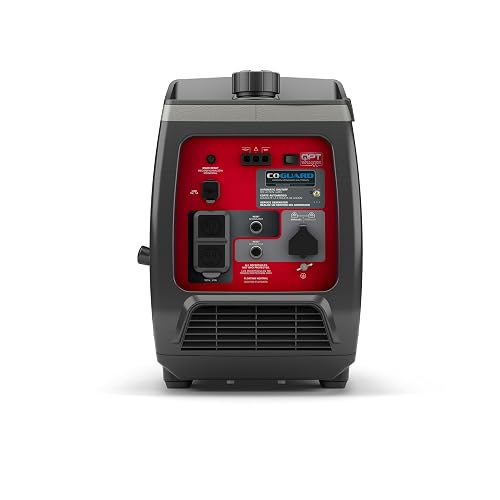 Best for electronicsBriggs & Stratton 30758 2KW PowerSmart Parallable Inverter GeneratorView on Amazon
Our Top Picks
Quick Comparison
| Product | Best for | Key feature |
|---|---|---|
| Briggs & Stratton 8000 Watt Portable Generator | Highest output | 8000 watts with surge |
| Briggs & Stratton 4375W Dual Fuel Inverter Generator | Quiet operation | Dual fuel inverter design |
| Briggs and Stratton 30747 3500 Watt Portable Generator | Lightweight portability | 3500 watts, twistlock outlets |
| Briggs & Stratton 30761 6500/5000 Running Watt Generator | Mid-size loads | 6500 peak, 5000 running |
| Briggs & Stratton 30758 2KW PowerSmart Parallable Inverter Generator | Electronics | Clean inverter power, parallel-ready |
Briggs & Stratton 8000 Watt Portable Generator
Briggs & Stratton 8000 Watt Portable Generator with Power Surge and Electric Start, 030741,Black/Charcoal
Best for: Highest output among these five models
This unit suits households that want to run the largest number of circuits from a portable frame before moving toward a permanent standby system.
Pros
- Electric start and surge capacity for motor loads
- Highest running wattage in this group
Cons
- Heavy and loud compared with inverter models
Briggs & Stratton 4375W Dual Fuel Inverter Generator
Briggs & Stratton 4375W Dual Fuel Open Frame Inverter Generator – 4375 Starting Watts / 3500 Running Watts, RV Ready, Portable Power, Quiet Technology
Best for: Quiet operation
Owners near neighbors or campsites who need clean power for sensitive electronics will find the inverter design the main draw.
Pros
- Inverter output suits phones, laptops and medical-adjacent devices
- Dual fuel flexibility
Cons
- Running wattage is lower than the 8000-watt unit
Briggs and Stratton 30747 3500 Watt Portable Generator
Briggs and Stratton 30747 3500 Watt Portable Generator 208cc OHV w/twistlock
Best for: Lightweight portability
This model fits buyers who need to move a generator between a garage, a job site and a camper without a dolly.
Pros
- Easier to lift and store than larger frames
- Twistlock outlets for locking connections
Cons
- Limited capacity for a whole-house load
Briggs & Stratton 30761 6500/5000 Running Watt Generator
Briggs & Stratton 30761 6500/5000 Running Watt Generator
Best for: Mid-size loads
Households covering a refrigerator, well pump, furnace blower and lighting will find the 5000-watt running rating a reasonable middle ground.
Pros
- 5000 running watts covers many essential circuits
- Strong starting capacity for motor loads
Cons
- Still requires careful load management for central air
Briggs & Stratton 30758 2KW PowerSmart Parallable Inverter Generator
Briggs & Stratton 30758 2KW PowerSmart Parallable Inverter Generator
Best for: Electronics
Buyers focused on protecting computers, routers and modern appliances will value the inverter output and the ability to parallel two units for more capacity.
Pros
- Parallel capability for future expansion
- Compact inverter design
Cons
- Too small to run a full home on its own
Buying Guide
Running Watts vs. Starting Watts
Add up the running wattage of the circuits you want to power and include the starting surge of motors such as well pumps and HVAC blowers. Manufacturers specify both figures, and the starting rating is usually the limiting number.
Fuel Type and Runtime
Dual fuel units can run on gasoline or propane, which matters during fuel shortages. Check the tank size and the listed run time at half load before deciding how often you will need to refuel.
Noise Level
Open-frame portable units are typically louder than inverter designs. If neighbors are close, compare the decibel figures in the spec sheet at a stated distance rather than relying on general descriptions.
Whole-House vs. Portable Use
Portable generators are not permanently wired to a home. For whole-house backup, a transfer switch and professional installation are usually required, and the local electrical code governs the setup.
Good picks for this: Briggs & Stratton 8000 Watt Portable Generator, Briggs & Stratton 30761 6500/5000 Running Watt Generator
FAQ
Can a Briggs and Stratton portable generator power a whole house?
Most of the models in this lineup are built for running essential appliances rather than an entire home. A whole-house setup usually requires a standby unit wired into the electrical panel through a transfer switch. Portable units can still keep key circuits running if you plan your loads carefully.
What should I check before comparing Briggs and Stratton generator prices?
Start by listing the appliances you need to run and adding up their running watts, then allow extra capacity for startup surges. Compare the running watts and starting watts of each model against that total. Also consider fuel type, noise level and portability, since these affect how you will actually use the unit.
Is a dual fuel generator a good choice for emergency backup?
A dual fuel model gives you flexibility because it can run on gasoline or propane, which helps when one fuel supply is hard to get during an outage. Propane also stores well for long periods. Check the fuel consumption and runtime figures on the product listing to plan how much fuel to keep on hand.
Are inverter generators better than conventional generators for home use?
Inverter generators produce cleaner power that is safer for sensitive electronics such as computers and phone chargers. They also tend to run quieter and adjust engine speed to the load, which can save fuel. Conventional units may offer more raw power for the price, so the best choice depends on what you plan to run.
Do I need a transfer switch to use a portable Briggs and Stratton generator safely?
Yes, a transfer switch or interlock kit is the safe way to connect a generator to your home wiring. Plugging a generator into a wall outlet can cause dangerous backfeeding into the utility lines. A licensed electrician can install the correct switch for your panel.
How should I maintain a Briggs and Stratton generator during long periods of storage?
Use fuel stabilizer if the generator will sit for more than a month, and change the oil according to the manual. Run the unit periodically under load to keep the engine and components in good condition. Always store the generator outdoors or in a well-ventilated area away from living spaces.
Conclusion
If you want the most running power from this group and plan to run larger loads, the 8000 Watt model is the strongest fit, while the 6500/5000 Running Watt unit is a solid middle option for a mix of essentials. Buyers who prioritize quiet operation and fuel flexibility should look at the 4375W Dual Fuel Inverter Generator, and those who need something light to move around will find the 3500 Watt model easiest to handle.
For small backup needs, such as keeping a refrigerator, lights and a few devices running, the 2KW PowerSmart Parallable Inverter Generator is the most economical choice and can be paired with a second unit later for more capacity. Match the model to your actual wattage needs, and confirm the wiring method before you buy.
Before you buy: helpful guides
Related reading
- Whole House Standby Generator Installation Cost: What Drives the Price (2026)
- Generac Whole House Generator Price: What Drives the Cost (2026)
- Champion Whole House Generator Price: What You'll Pay and What Drives It (2026)
- Whole-House Generator Noise Reduction: 8 Steps That Actually Work
About Miles Sinclair
Miles Sinclair is part of our editorial team and reviews and edits our generators & noise guides, checking product details against manufacturer specifications and owner feedback.


